Reducing daily screen time to less than two hours can lower the risk of developing depressive symptoms by up to 27 percent. This was shown by studies conducted at the University for Continuing Education Krems, which were presented at the 9th Congress of the European Forum for Evidence-Based Prevention (EUFEP). Under the title “For a Healthy Tomorrow: Digital Impulses for Health Promotion and Prevention,” researchers from Austria and Germany discussed on September 30, 2026, at Campus Krems and online what digital applications can achieve in prevention and where their limitations lie. The congress was organized by the University for Continuing Education Krems together with the Lower Austrian Health and Social Fund (NÖGUS).
Healthcare systems are coming under increasing pressure as a result of demographic change, rising costs, and increasingly scarce resources. Against this background, prevention is “not an additional health policy instrument, but a structural prerequisite for the long-term functioning of our healthcare system,” said Univ.-Prof. Dr. Viktoria Weber, Rector of the University for Continuing Education Krems, in her opening remarks. Digital technologies can help reach people at an earlier stage and provide health information in a more targeted way. “Not every digital application improves people’s health. Not every innovation delivers in practice what it promises. That is why innovation needs a solid foundation. It needs evidence.”
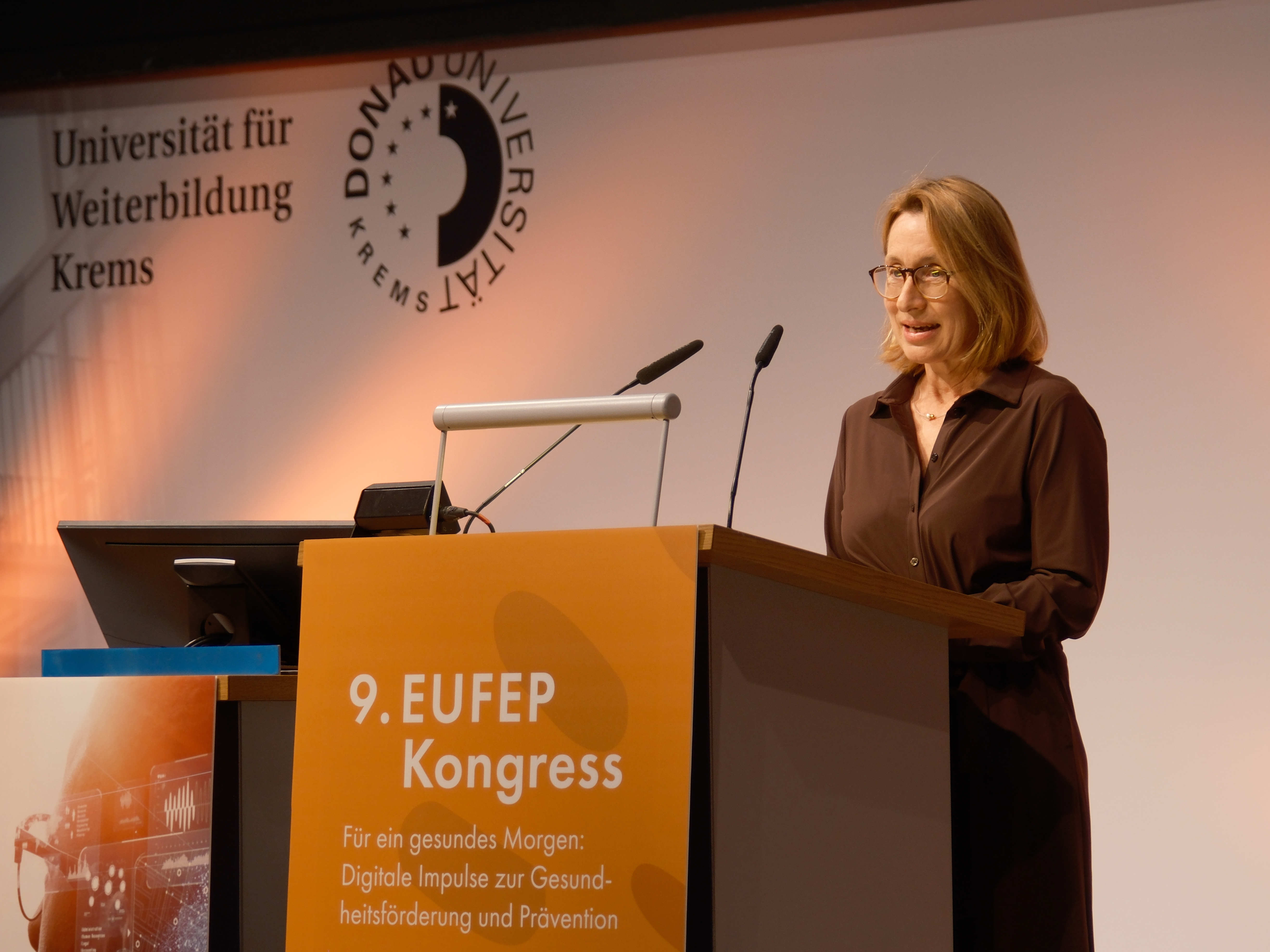
Prof. Dr. Viktoria Weber, Rector of the University for Continuing Education Krems, opened the 9th EUFEP congress at Campus Krems.
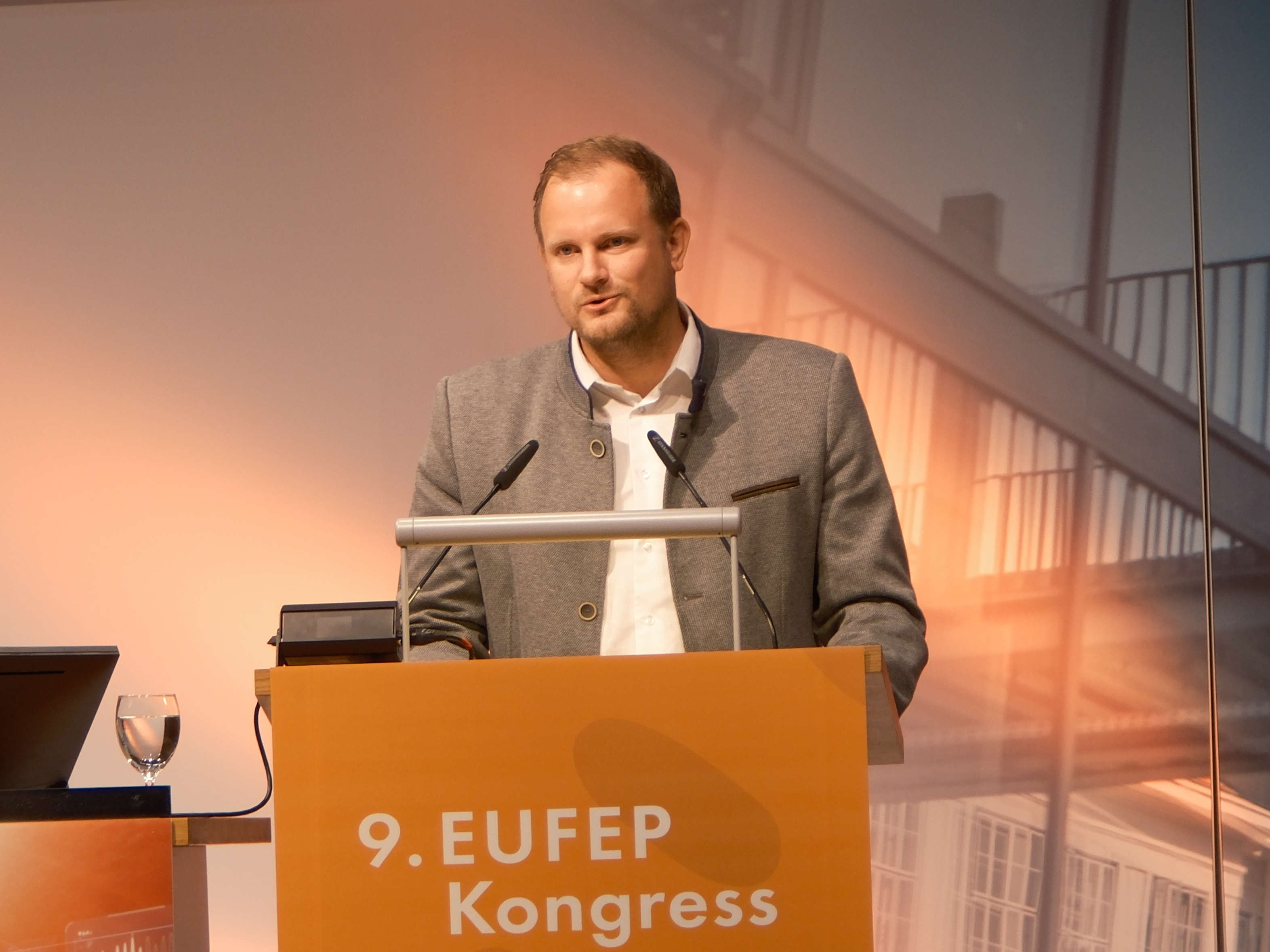
State Representative Richard Punz opened the 9th EUFEP Congress on behalf of State Councilor and NÖGUS Chairman Martin Antauer.
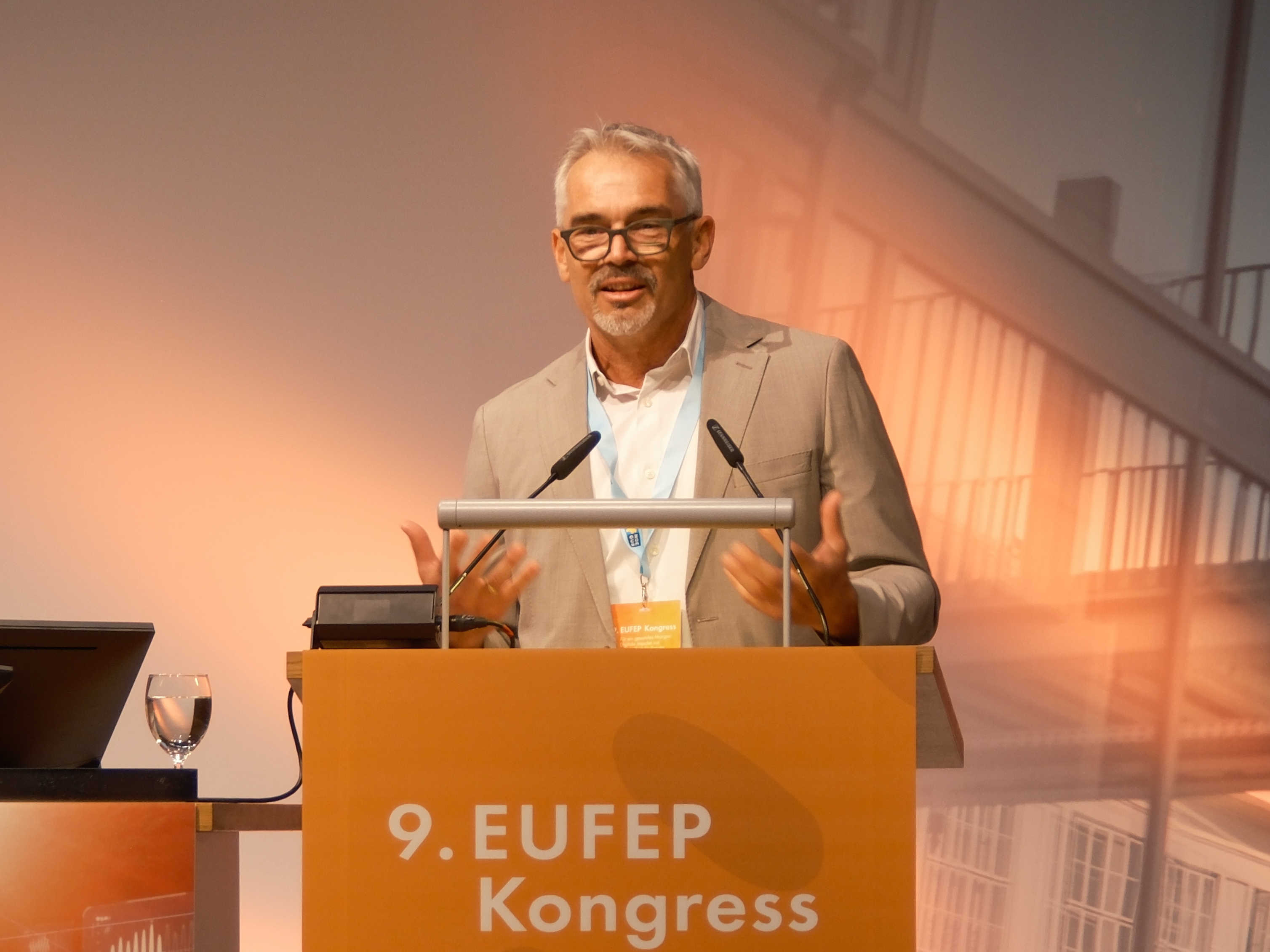
Prof. Dr. Gerald Gartlehner, head of the Department for Evidence-based Medicine and Evaluation at the University for Continuing Education Krems, was responsible, together with the scientific committee, for the program of the 9th EUFEP Congress.
Provincial Councillor and NÖGUS Chair Martin Antauer was represented at the congress by Member of the Provincial Parliament Richard Punz. “The best disease is still the one that never develops in the first place,” he stressed. Digitalization offers major opportunities, but technology must never become an end in itself: “In the end, what matters is not what is technically possible. What matters is what really helps people.” The goal is to increase the number of healthy years people in Lower Austria enjoy.
The program was put together by a scientific committee headed by Univ.-Prof. Dr. Gerald Gartlehner. Gartlehner heads the Department for Evidence-Based Medicine and Evaluation at the University for Continuing Education Krems and is Director of Cochrane Austria. “Digitalization, AI, and large language models are currently changing our lives,” he said. “But there are still many unanswered questions, particularly regarding prevention, health promotion, and the use of digitalization and AI.”
Less screen time, better mental health
Univ.-Prof. Dr. Christoph Pieh, Head of the Department of Psychosomatic Medicine and Psychotherapy at the University for Continuing Education Krems, provided an overview of the impact of digitalization on health. Observational studies show associations between high levels of screen time and obesity, high blood pressure, and cyberbullying. By contrast, there are only around 25 to 30 experimental studies that can demonstrate causal relationships. Two of these were conducted at the University for Continuing Education Krems.
When participants reduced their smartphone screen time to less than two hours a day, their risk of developing depressive symptoms also fell by up to 27 percent. Stress, sleep quality, and well-being improved by 15 to 20 percent. When screen time increased again after the intervention ended, the improvements also declined. Pieh advises the European Commission on the issue of social media restrictions. With regard to children and adolescents, he highlighted the role of parents as role models and referred to scientific recommendations such as avoiding screen use during the first three years of life.
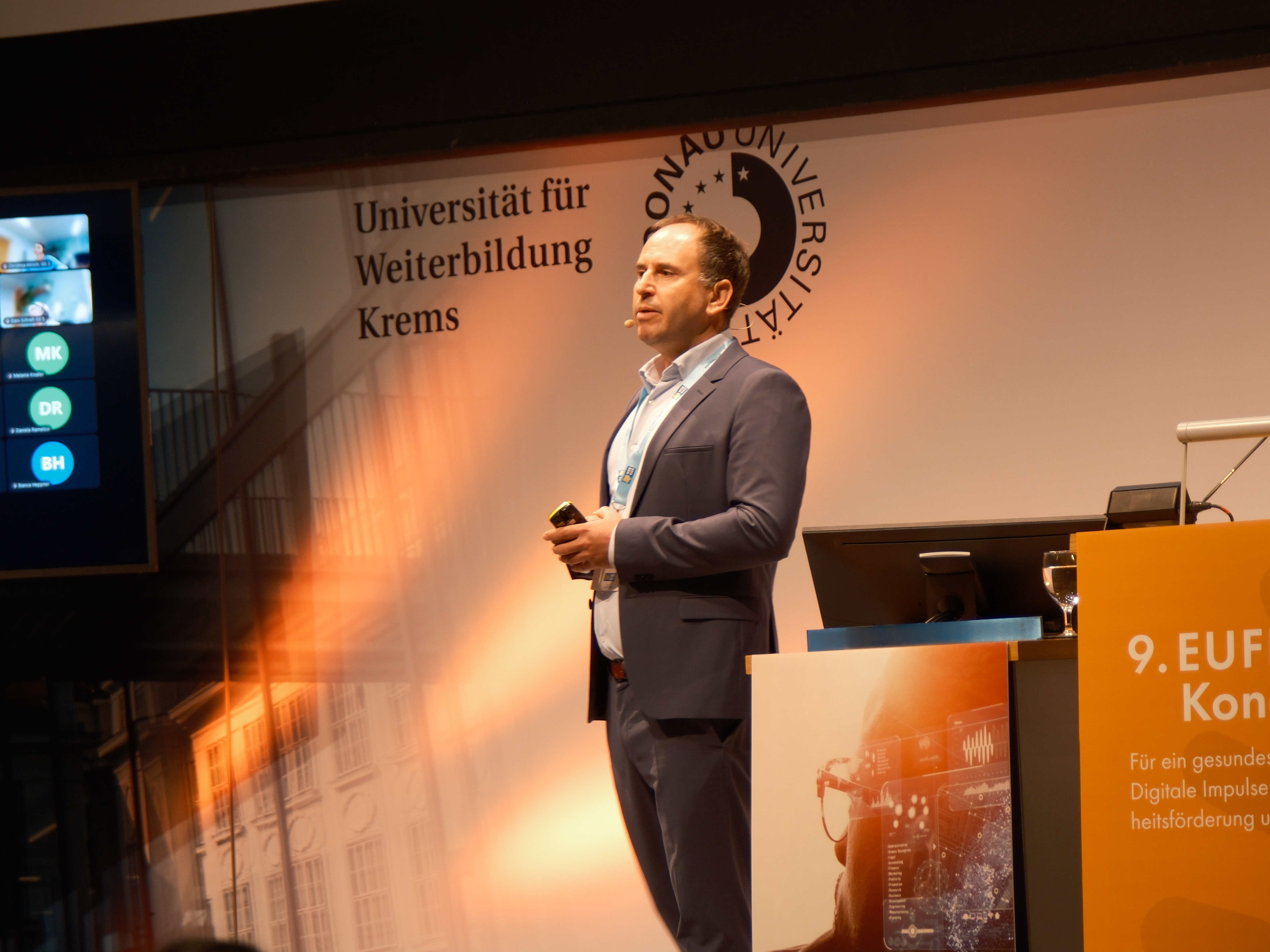
Prof. Christoph Pieh, Ph.D., head of the Department of Psychosomatic Medicine and Psychotherapy at the University of Continuing Education Krems, spoke at the 9th EUFEP Congress about the impact of digitalization on mental health.
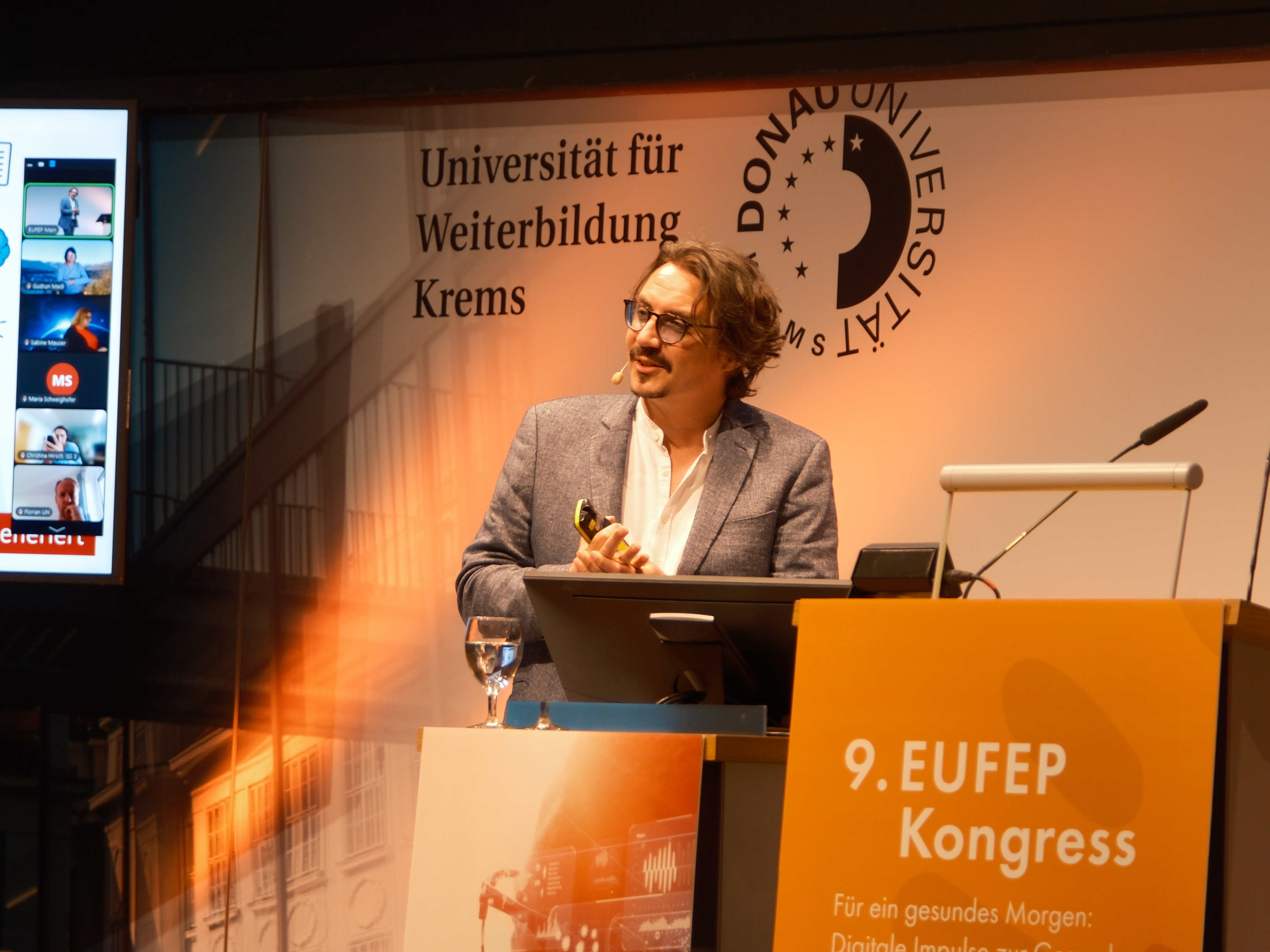
Stefan Lüttke, a licensed psychologist from Saarland University, spoke at the 9th EUFEP Congress about the use of AI in the prevention of mental illness.
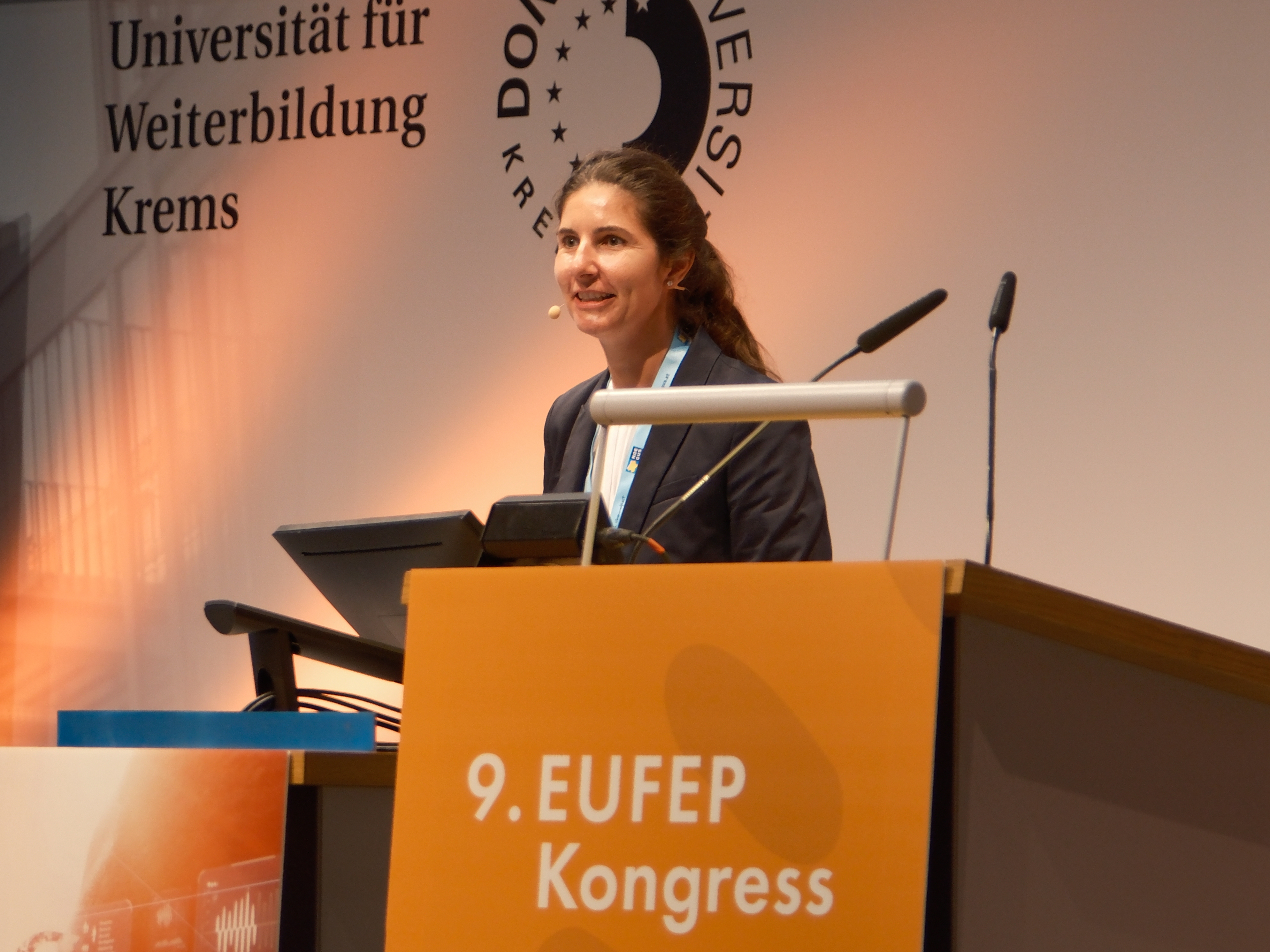
Dr. Anne Busch, director of the master's program in Health Care Informatics at the University of Applied Sciences in Wiener Neustadt, spoke at the 9th EUFEP Congress about the significance of digital health data.
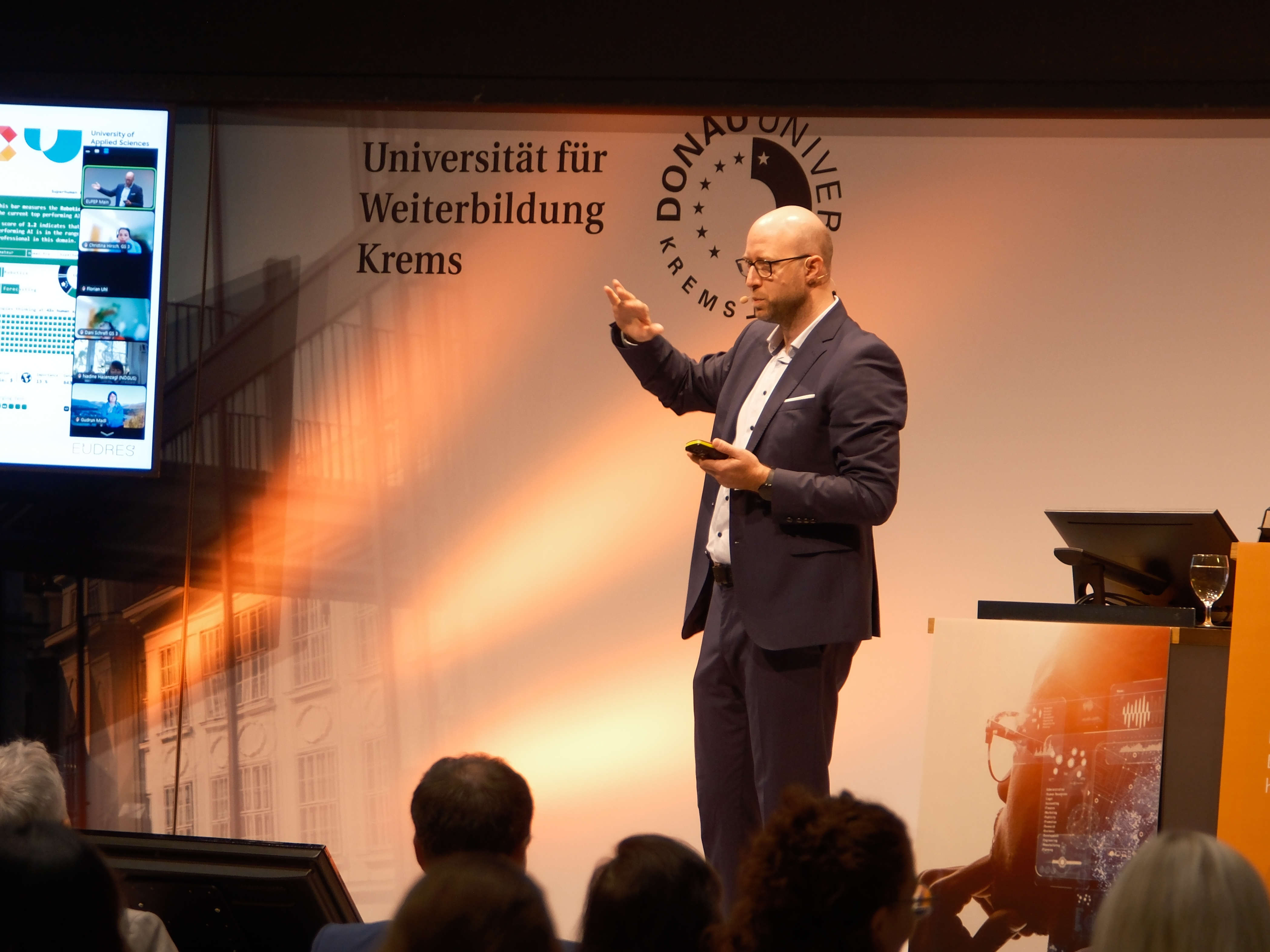
Prof. Jakob Doppler of the St. Pölten University of Applied Sciences spoke at the 9th EUFEP Congress about what AI can achieve in health care and nursing.
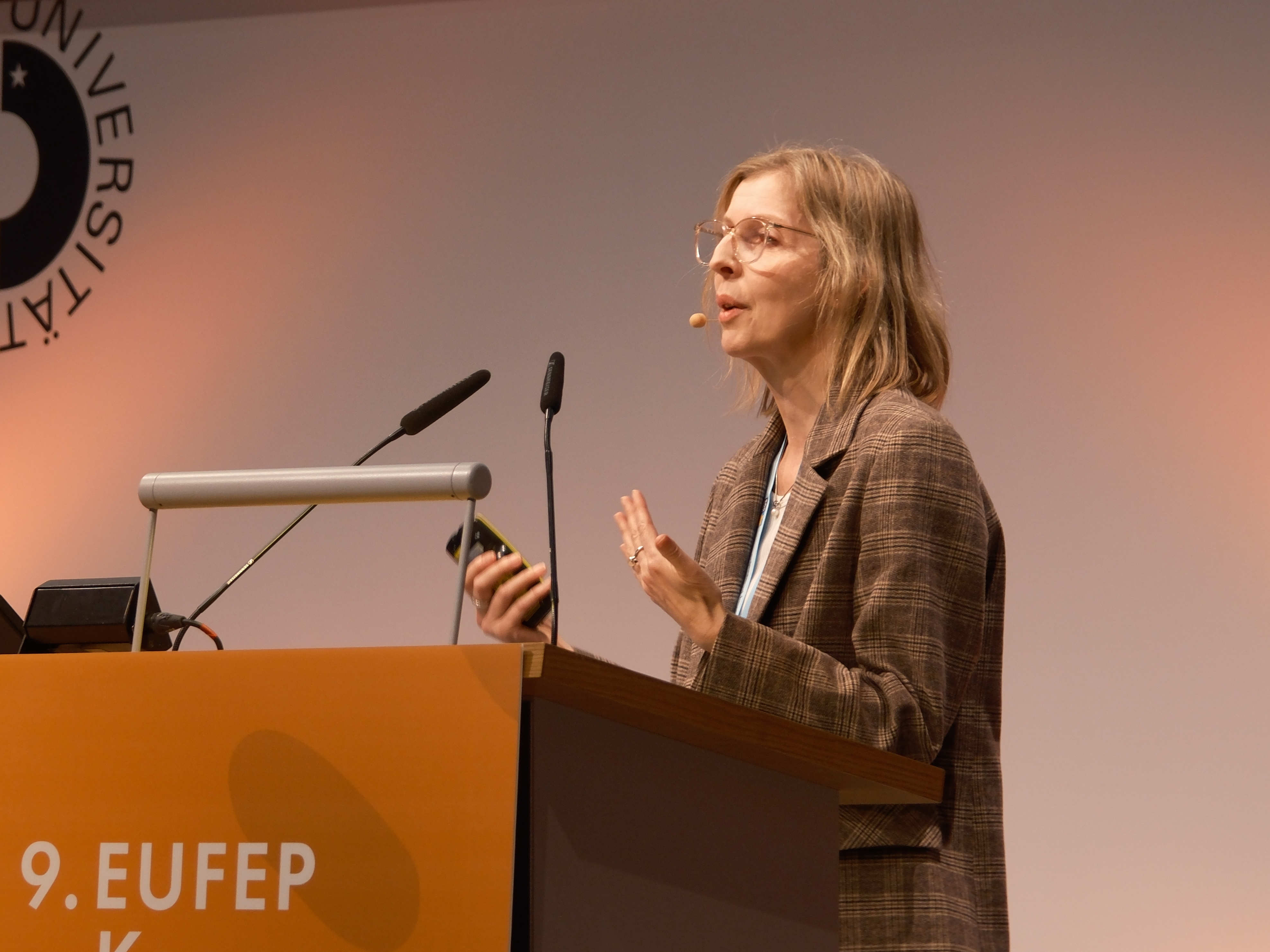
Gerlinde Rohrauer-Näf of Gesundheit Österreich GmbH spoke at the 9th EUFEP Congress about the influence of social media on young people's body image.
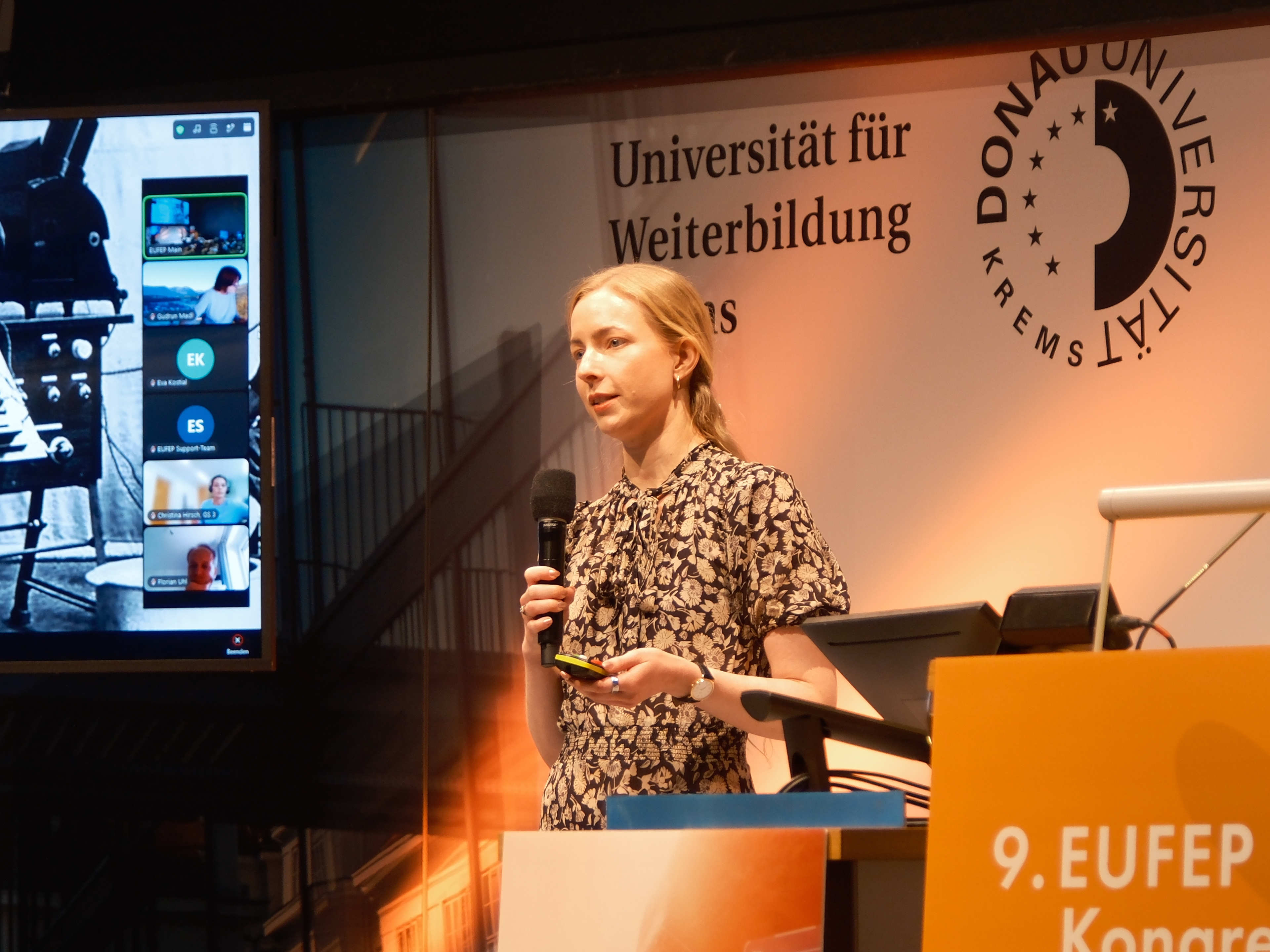
Dr. Magdalena Eitenberger of the University of Vienna and the Ludwig Boltzmann Institute for Digital Health and Patient Safety spoke at the 9th EUFEP Congress about how digitalization can promote health equity.
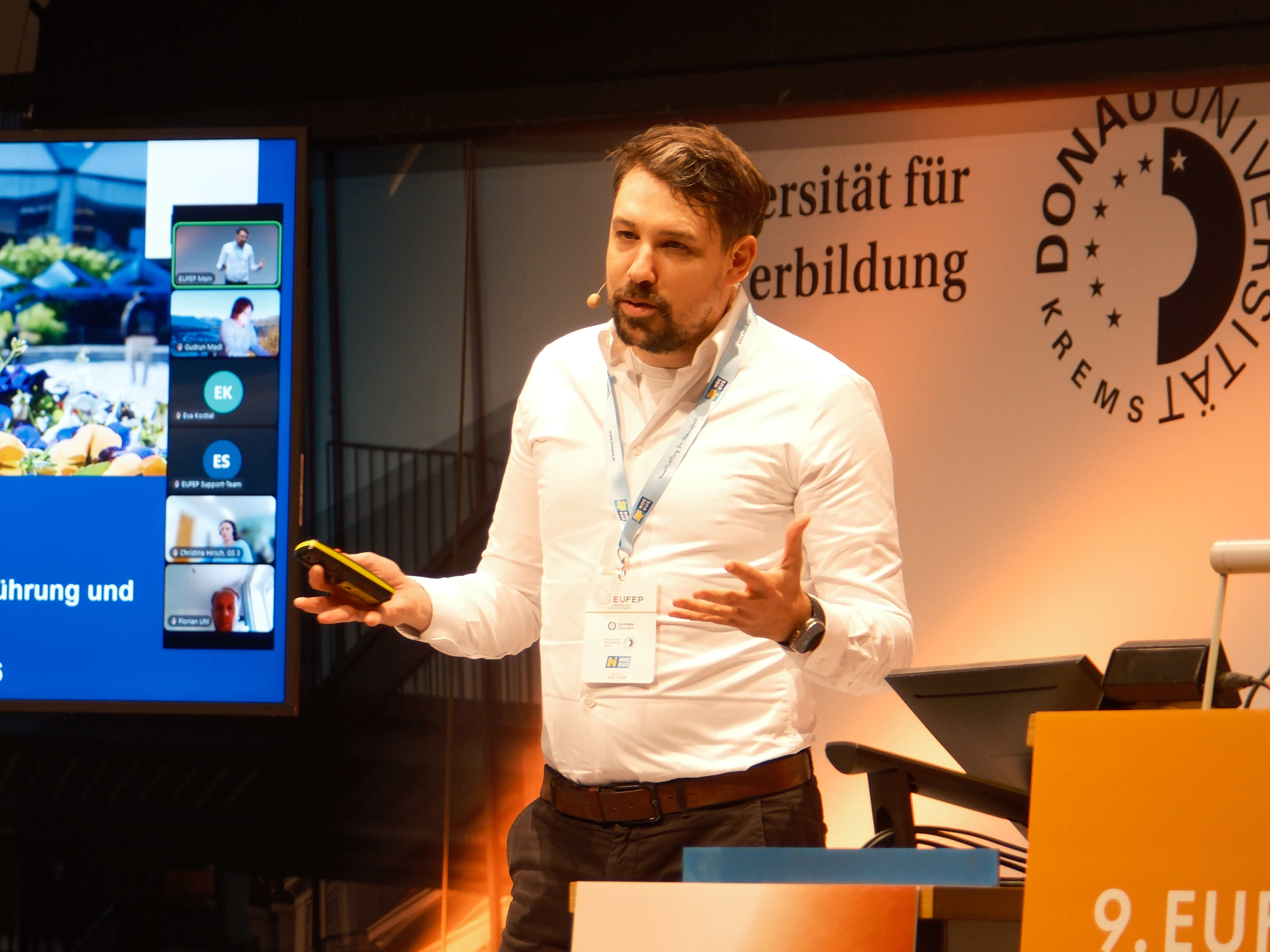
Prof. Dr. Sebastian Merkel, head of the Digital Health Department at the Ruhr University Bochum School of Medicine, spoke at the 9th EUFEP Congress about experiences with digital health applications in Germany.
Stefan Lüttke from Saarland University sees the greatest potential for AI in prevention among at-risk groups and in the early stages of disease, rather than in interventions aimed at the population as a whole. Digital phenotyping – the analysis of data from smartphones and wearables on physical activity, sleep, or speech – can help detect changes in mental health at an early stage. Studies have also shown positive effects of chatbots on depressive symptoms.
However, general-purpose language models are not designed for psychotherapy. In a study involving 29 chat models, none met the clinical requirements. When users expressed suicidal thoughts, the systems gave an incorrect emergency number in 80 percent of cases. “My recommendation is to invest in training,” said Lüttke. “You can only use this tool if you yourself have a great deal of knowledge.”
Body image, health data, and care robots
Gerlinde Rohrauer-Näf from Gesundheit Österreich GmbH used data from the Health Promotion Panel to demonstrate the extent to which social media shape body image. Fifty-eight percent of women aged 16 to 24 say that media make them feel they need to improve their appearance. Around 55 percent of young people use social media for more than two hours a day, and intensive use increases pressure to compare themselves with others. Two projects aim to counteract this. “YOUareART” uses workshops in museums. “Body Project Austria” is an evidence-based program that has been shown internationally to reduce the risk of eating disorders by 60 percent. A combined rollout of both projects is planned from the fall.
Dr. Anne Busch from the University of Applied Sciences Wiener Neustadt examined how reliable self-collected health data are. In projects carried out with the Austrian Institute of Technology, sleep quality measured by smartwatches showed only a moderate correlation with participants’ subjective assessments. An AI model correctly detected atrial fibrillation in 75 percent of cases, but had difficulties with datasets that deviated from the norm. The operating system, software updates, and measurement conditions also affected the results.
Prof. Jakob Doppler from St. Pölten University of Applied Sciences showed that AI is already being used in specific areas of healthcare, for example for speech recognition in air ambulance services. Care robots, by contrast, are still a long way from widespread use, while human empathy remains central to healthcare.
Equal opportunities and apps on prescription
Dr. Magdalena Eitenberger from the University of Vienna and the Ludwig Boltzmann Institute for Digital Health and Patient Safety warned that existing inequalities in the healthcare system can also be transferred to digital technologies. For example, AI-supported apps for detecting skin lesions perform significantly worse on darker skin. Telemedicine can improve equal access to healthcare, for example for people with chronic conditions or those living in rural areas. However, this is only the case if it is well integrated into the overall system. Eitenberger advocated developing technologies together with patients and healthcare professionals. She also called for targeted investment in easy-to-use applications that close gaps in healthcare provision.
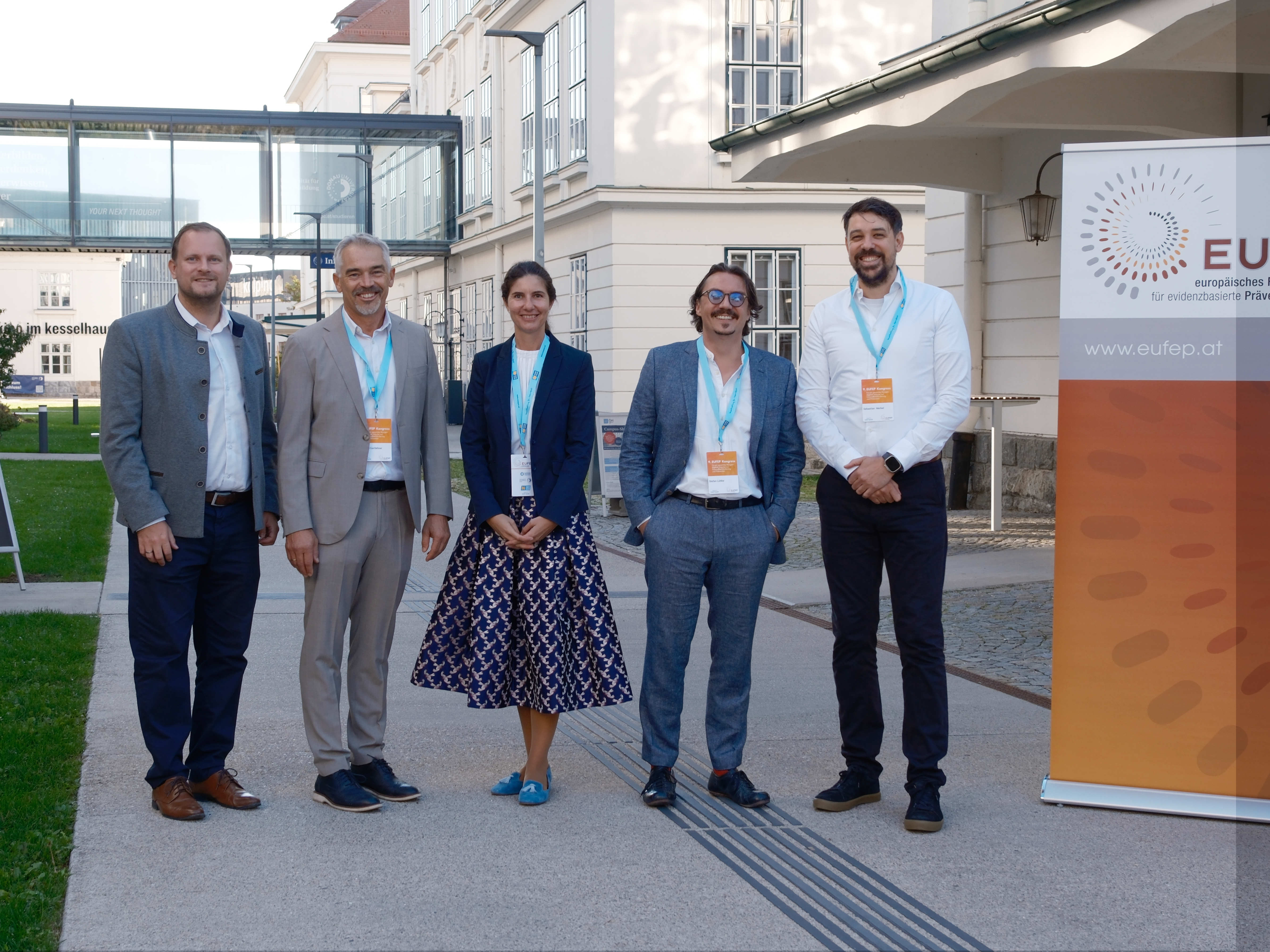
Pictured (from left to right): State Parliament Representative Richard Punz, Prof. Dr. Gerald Gartlehner (UWK), and speakers at the EUFEP Congress: Dr.Anne Busch (Wiener Neustadt University of Applied Sciences), Dipl.-Psych. Stefan Lüttke (University of Greifswald), and Prof. Dr. Sebastian Merkel (Ruhr University Bochum)
Prof. Dr. Sebastian Merkel from Ruhr University Bochum shared experience from Germany. In 2020, Germany became the first country in the world to introduce digital health applications (DiGA) that can be prescribed by physicians and reimbursed by health insurance funds. Under an accelerated procedure, applications can already be included in the reimbursement system before their benefits have been demonstrated.
Since then, health insurance providers have criticized the high prices of applications for which evidence of their effectiveness is lacking. Around 1.6 million DiGA have been used to date. They account for less than one percent of expenditure by statutory health insurance. For a possible introduction in Austria, Merkel recommended transparent procedures and scope for testing. DiGA would also need to become more widely known among physicians and patients.
The program was complemented by four workshops, where participants were able to test digital tools for mental health and mixed-reality applications for healthcare, among other things. Following the congress, the University for Continuing Education Krems held its Research Summit on digitalization, artificial intelligence, and health. The keynote was delivered by Prof. Dr. Günter Klambauer from Johannes Kepler University Linz.
Contact



Tags

