On 12 November 2025, around 35 stakeholders gathered at Lúrio University’s Marrere Campus in Nampula, Mozambique, for the second transdisciplinary workshop within the GIRT process. Participants represented local authorities, service providers, academia, civil society, the media, and—importantly—the local community, bringing a wide range of perspectives to the discussion.
The focus was on the Namutequeliua neighborhood, where rapid urban growth is straining infrastructure, services, and living conditions. A visual “immersion” using photos from the area helped ground the discussion in everyday realities. It quickly became clear that many residents face significant challenges and that improving living conditions is a shared priority.
Working in mixed groups, participants identified key problems and translated them into research questions. Bringing together the different perspectives, the workshop agreed on a joint guiding question: “Which Namutequeliua do we want, given the issues of crime, lack of basic infrastructure, and social inequality?”
Another key part of the workshop was a discussion on what “urban transformation” should mean in this context. Participants reached a common understanding: it is ultimately about making neighborhoods more livable and improving residents' everyday conditions.
To move in that direction, a stakeholder mapping exercise identified who needs to be involved—ranging from municipal authorities and infrastructure providers to NGOs, researchers, and community members. The emphasis throughout was on collaboration and shared responsibility.
The workshop also set the stage for upcoming activities, including developing concrete scenarios for urban transformation, further validating the research process, and later presenting results to the wider public.Overall, the meeting marked an important step forward: different voices were brought together, local knowledge was made visible, and a common direction was defined.
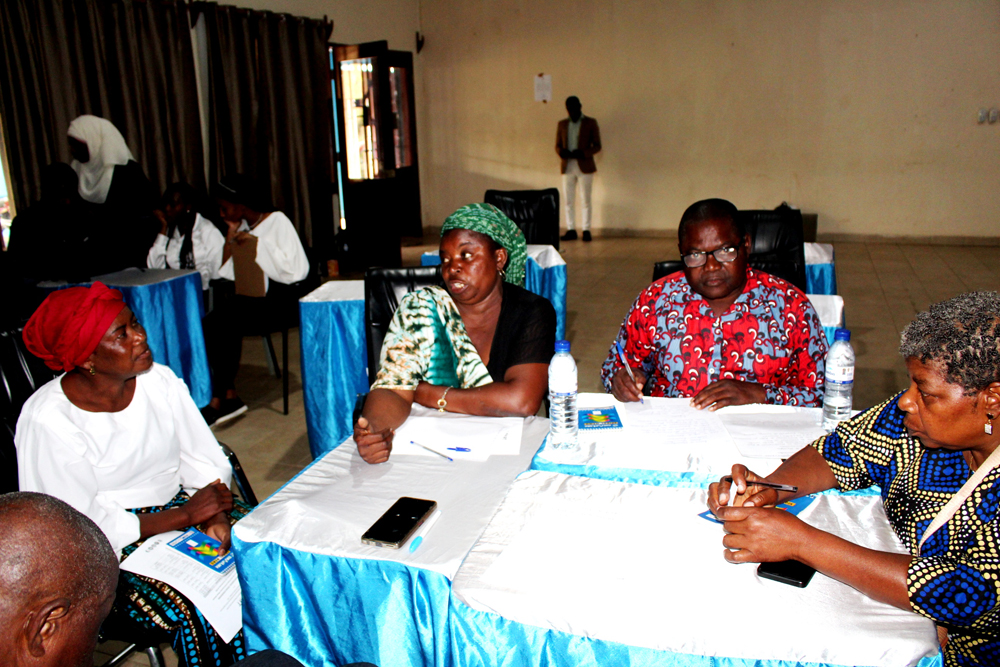
Project partners at the workshop
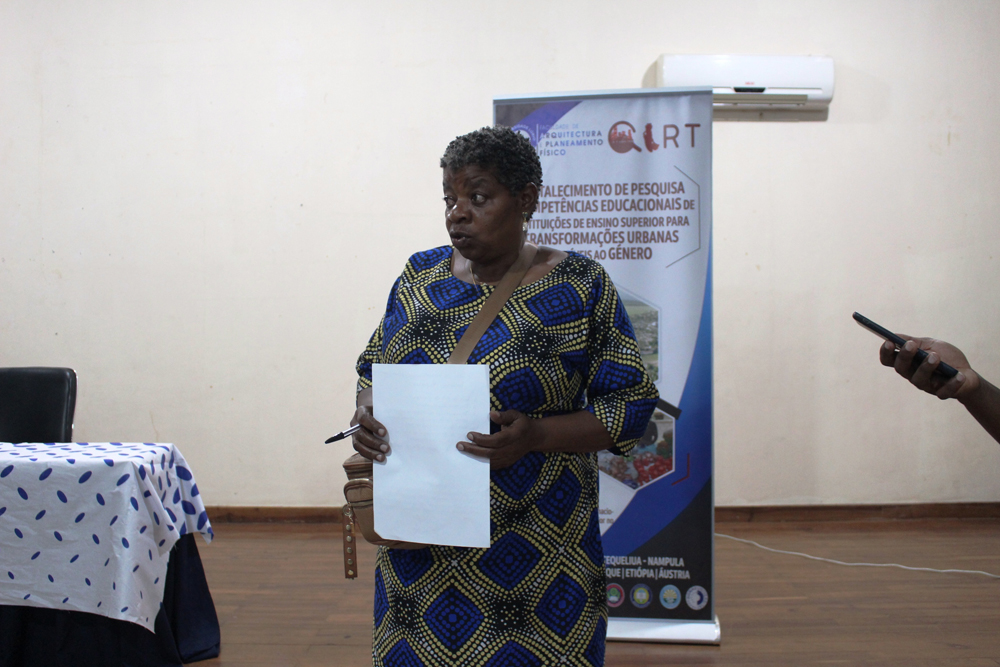
Project partners at the workshop
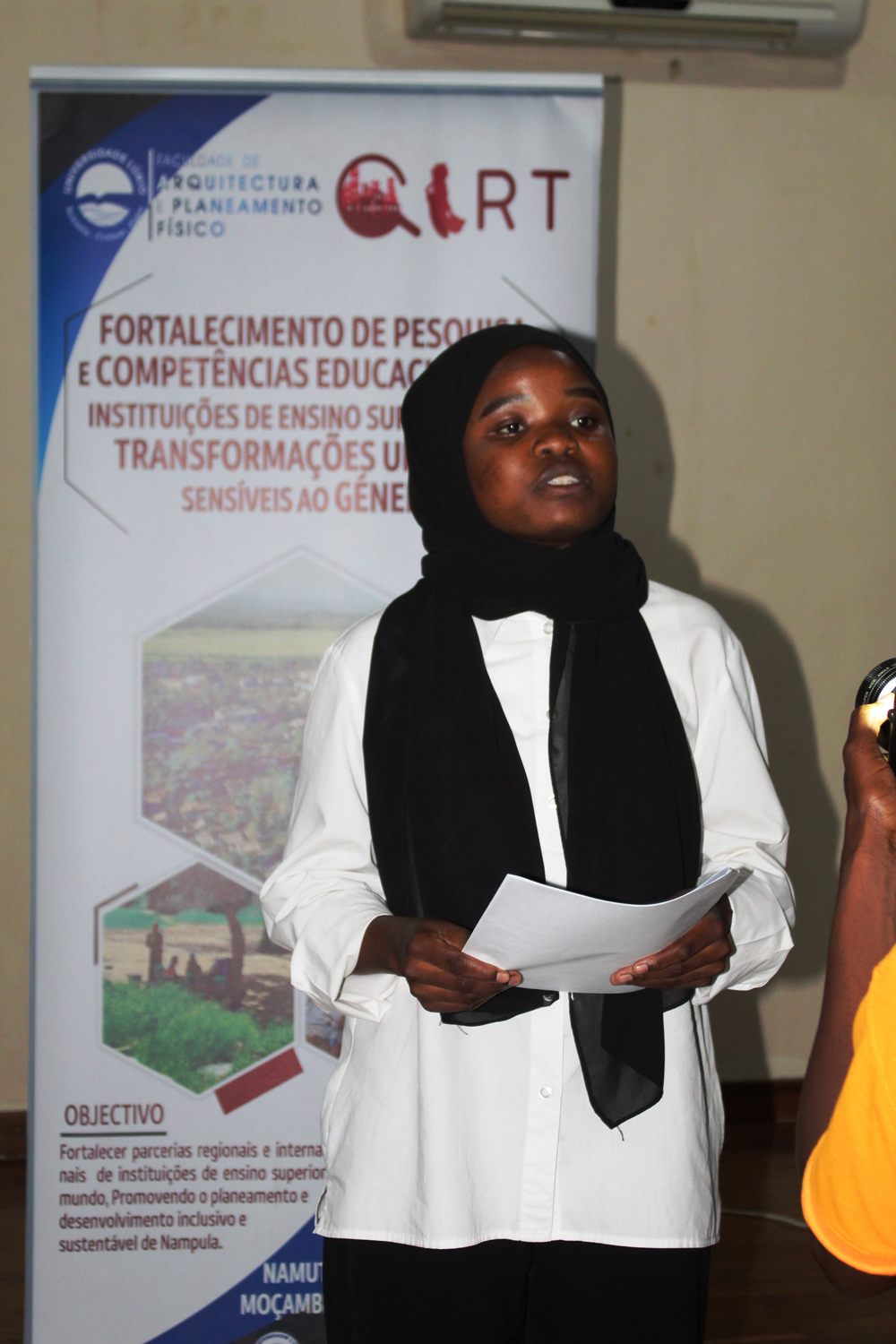
Project partners at the workshop
GIRT project: Improving the living conditions of women
The GIRT project focuses on the everyday lives of women in informal settlements and slums in Ethiopia and Mozambique. These settlements are often characterized by precarious housing conditions, a lack of infrastructure and insecure tenure. Women and children are particularly affected by the difficult living conditions - be it through a lack of access to sanitary facilities or limited economic participation. The aim of GIRT is to work together to identify areas and approaches that can lead to an improvement in the living conditions of women in specific informal settlements and slums.