In Addis Ababa, the GIRT project initiated a transdisciplinary dialogue that brings together residents, public authorities, researchers, and development actors to jointly explore pathways for more inclusive urban development. The process focused on a specific kebele housing district but also addresses broader urban challenges and transformation dynamics.
At the core of the workshops in January 2026 was a structured approach to co-producing knowledge. Instead of listing isolated problems, participants collaboratively identified and mapped the underlying drivers shaping urban conditions. The results reveal a shared understanding of urban transformation as a complex and interconnected system.
Participants organized key challenges into several thematic “driver” groups. These include governance and institutional structures, socio-economic conditions, land and housing, infrastructure provision, and environmental factors. Across these categories, governance emerged as a central issue. Limited coordination between institutions, unclear responsibilities, and insufficient participation were repeatedly identified as major barriers.
Closely linked to these governance challenges is the issue of land. Insecure or unclear land access affects housing conditions, infrastructure provision, and economic opportunities, and therefore plays a critical role in shaping urban development processes. At the same time, participants highlighted socio-economic pressures, including limited livelihood opportunities, inequality, and restricted access to resources. Infrastructure challenges—particularly those related to basic services and spatial connectivity—were also seen as key concerns. Environmental issues, including waste management and pollution, were recognized as relevant but secondary.
A key outcome of the workshops is the convergence of perspectives. Despite their different institutional and social backgrounds, stakeholders developed a largely shared understanding of the main challenges and their interconnections. This common ground provides an important basis for further collaboration. Building on this shared analysis, participants also formulated initial visions for urban transformation, emphasizing improved living conditions, equitable access to services, and more responsive institutions. While these visions remain broad, they mark a crucial step toward jointly defining pathways for future action.
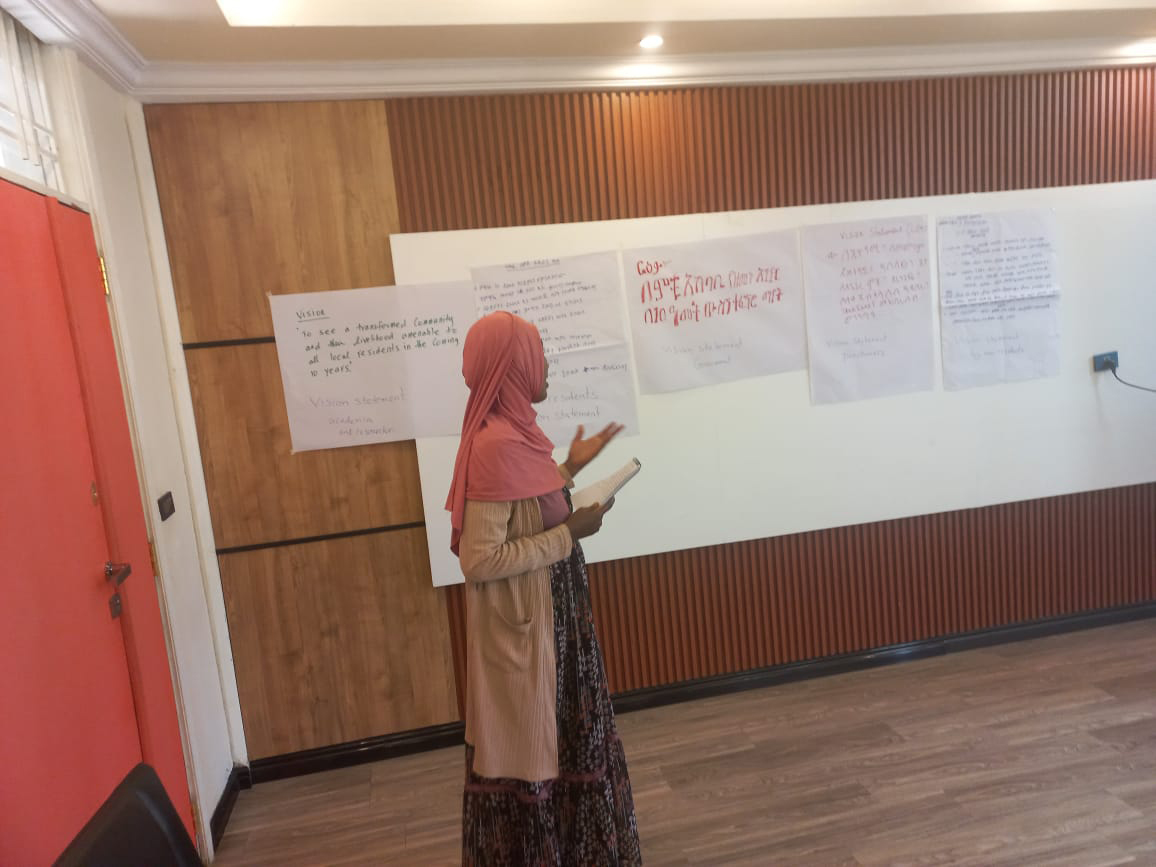
Project partners at the workshop
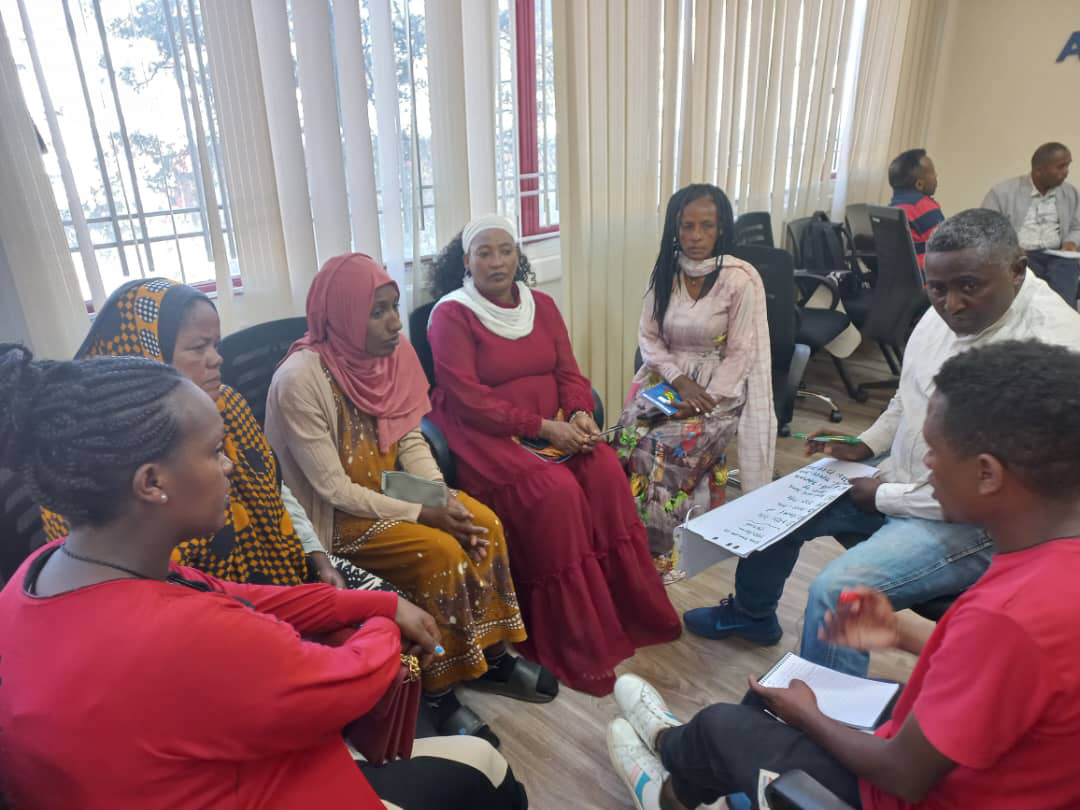
Project partners at the workshop
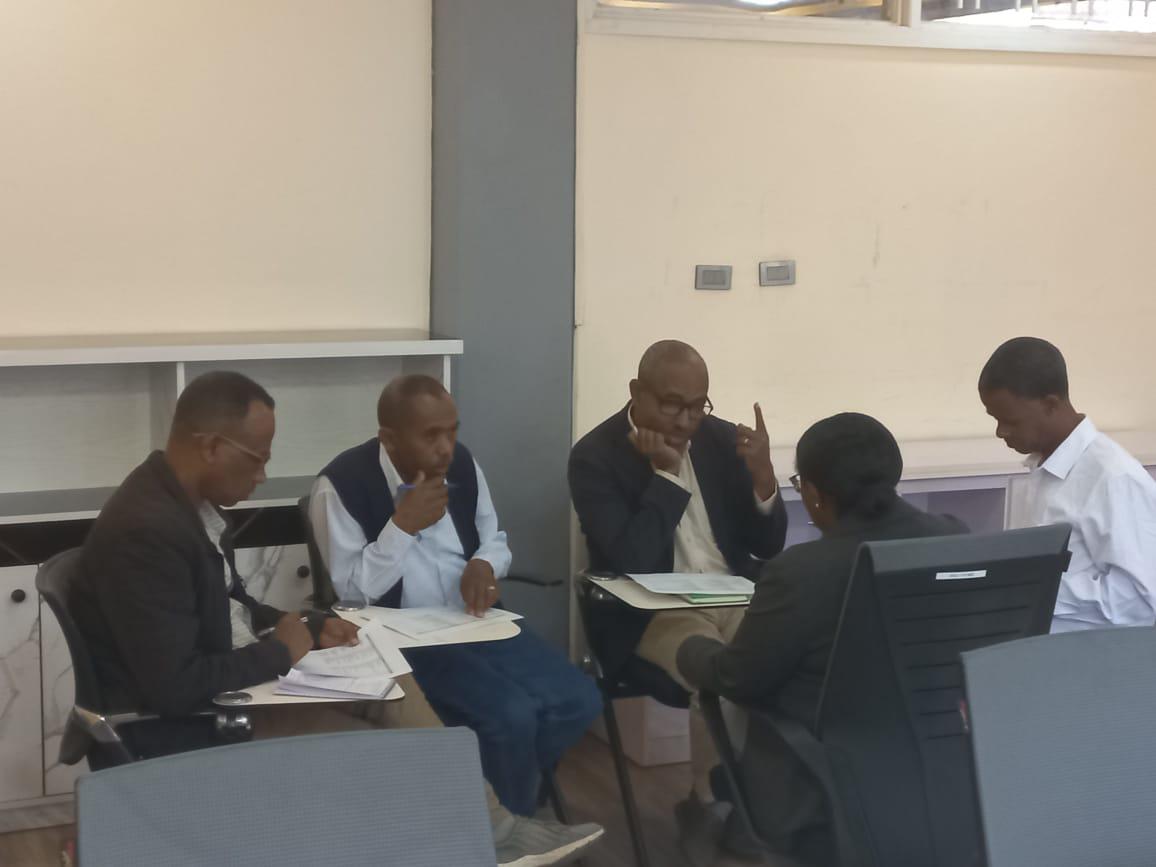
Project partners at the workshop
GIRT project: Improving the living conditions of women
The GIRT project focuses on the everyday lives of women in informal settlements and slums in Ethiopia and Mozambique. These settlements are often characterized by precarious housing conditions, a lack of infrastructure and insecure tenure. Women and children are particularly affected by the difficult living conditions - be it through a lack of access to sanitary facilities or limited economic participation. The aim of GIRT is to work together to identify areas and approaches that can lead to an improvement in the living conditions of women in specific informal settlements and slums.