In the rapidly expanding city of Bahir Dar, new forms of collaboration are emerging between residents of informal settlements, local authorities, and researchers. As part of the GIRT research project, a series of structured community meetings in January and February 2026 illustrated how transdisciplinary approaches can contribute to more inclusive urban development practices in Ethiopia.
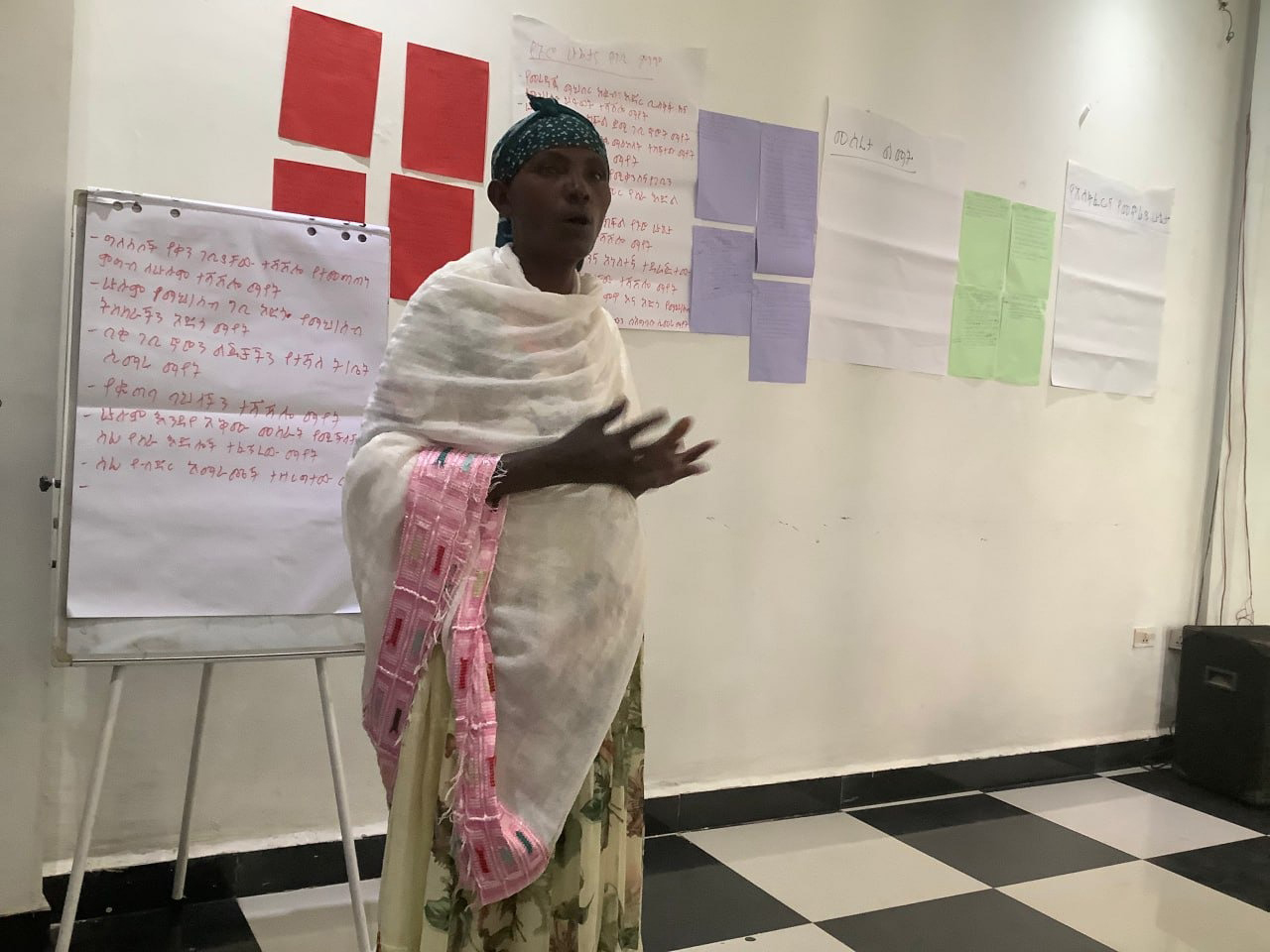
Rather than relying on top‑down planning, the transdisciplinary research workshops provide a space where community members, government office representatives, and researchers jointly discuss and identify problems and explore possible solutions. The handwritten posters from these meetings document this interaction in real time: residents list pressing concerns such as unreliable water supply, inadequate waste management, poor road access, unclear institutional responsibilities, and poor governance. These challenges are characteristic of peri‑urban informal settlements in Bahir Dar city, where urban expansion has outpaced the provision of basic infrastructure and public services.
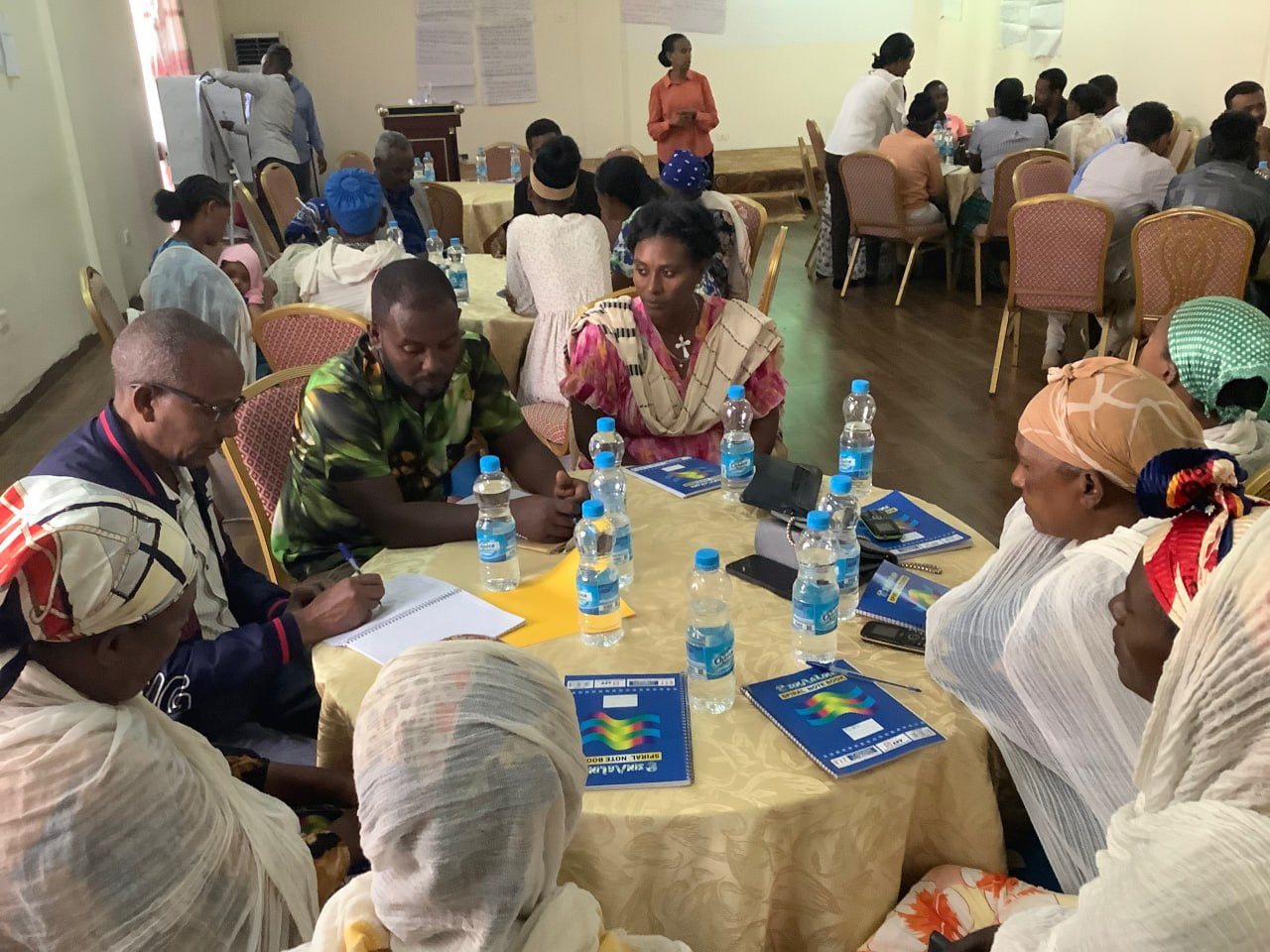
The discussions extended beyond problem identification. In the second phase of the TDR workshop, participants were collectively invited to envision their neighborhood ten years into the future. They discussed the kind of life/ neighborhood they hope to achieve, and the improvements they would like to see in the informal settlements in their areas (namely, Weramit and Be’ata kebeles). Participants worked in small groups of six and discussed their desired future, focusing on three key areas: livelihood and income generation, infrastructure and basic services, and settlement and land tenure.
In the third TD Stakeholders’ workshop, participants developed pathways to show how the informal settlement can transform from its current situation to the desired future. The pathways connect the achievements made so far with the priority actions needed now. The pathways developed for the three problems (Tenure security, infrastructure, and livelihood) were ranked separately and discussed in terms of their mutual reinforcement. Formal tenure security encourages household investment and infrastructure development. Improved infrastructure increases access to markets, services, and employment opportunities. Strong livelihoods enable residents to invest in housing and community development. Together, these pathways create an inclusive urban transformation that gradually integrates the informal settlement into the formal city.
This collaborative model reflects a core principle of the GIRT project: urban development must build on existing local practices and knowledge rather than replacing them. In Bahir Dar, where many residents lack formal land tenure and are therefore excluded from the provision of infrastructure and financial services, such inclusive processes are particularly relevant. Research findings show that informality, governance gaps, and infrastructural deficits are deeply interconnected, shaping everyday life in these settlements.
The transdisciplinary workshops also highlighted the importance of social inclusion. Women, who often bear the primary burden for managing household needs under conditions of scarcity, are directly affected by failures in service delivery. Their participation in these meetings creates space to articulate lived experiences that are often overlooked in formal planning processes.
Ultimately, the meetings in Bahir Dar demonstrate both the potential and the limits of participatory urban governance. While dialogue alone cannot resolve deeply rooted structural inequalities, it creates a platform for negotiation, mutual understanding, and strengthening accountability. It also creates pathways for collaborative actions. In contexts marked by rapid urbanization and widespread informality, Transdisciplinary research approaches offer an essential step toward more inclusive and sustainable city development.
GIRT project: Improving the living conditions of women
The GIRT project focuses on the everyday lives of women in informal settlements and slums in Ethiopia and Mozambique. These settlements are often characterized by precarious housing conditions, a lack of infrastructure and insecure tenure. Women and children are particularly affected by the difficult living conditions - be it through a lack of access to sanitary facilities or limited economic participation. The aim of GIRT is to work together to identify areas and approaches that can lead to an improvement in the living conditions of women in specific informal settlements and slums.