A new generation of digital technologies is changing how people live, connect and participate in society. What does that mean for human mobility?
This year's Demig Talk series brings together a set of conversations on the interaction between digitalisation, migration and integration. We will explore how digital technologies shape human mobility, transform migration governance, create new opportunities for participation and integration and generate new forms of inequality and exclusion. We will also examine how digital technologies influence attitudes and narratives around migration and how research is responding to these transformations.
Next Talk
Special DEMIG Talk: Migration destinations and the geographies of elsewhere
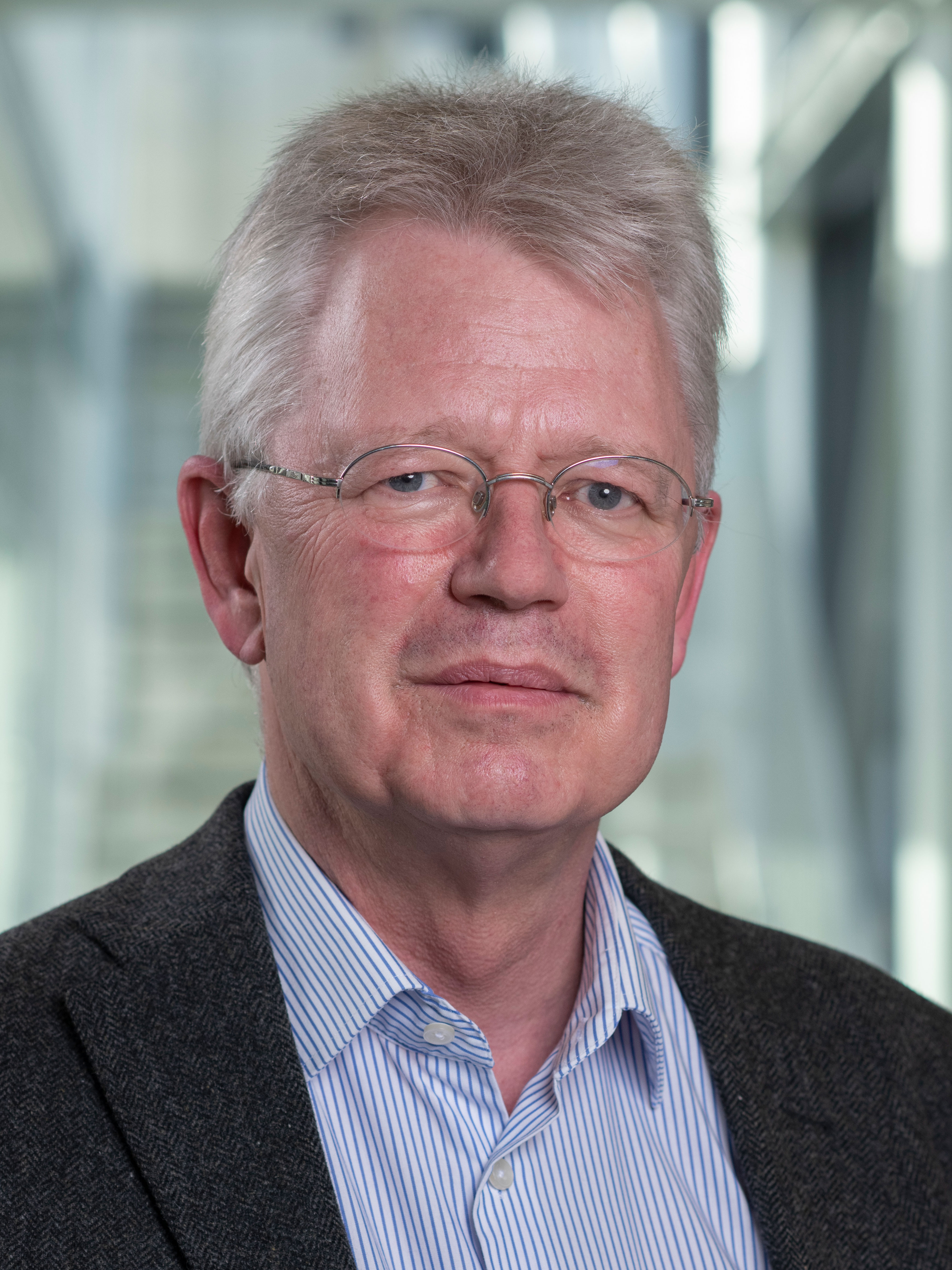
Speaker: Jørgen Carling, Peace Research Institute Oslo (PRIO)
14 October 2026, 10:00-11:00 CEST | hybrid format: on-site at University for Continuing Education Krems, Room W 1.06 and online via Zoom. Please register to attend online.
From most countries of origin, migration flows disperse to a range of destinations. So, while actual migration can be thought of as a move from A to B, the “B” can be a fuzzy element of migration aspirations, which raises the question “where do people want to go if they aspire to migrate?” Many surveys on migration aspirations ask for a preferred destination country and thereby seem to address this question. But although the resulting data are interesting, I argue that the individual responses are of limited value for understanding migration aspirations. In this presentation, I use a combination of survey data, qualitative interview data, and insights from ethnographic fieldwork to examine how aspiring migrants—who for the most part have never been abroad—imagine their potential destinations. The analysis is based primarily on West African data from the ERC project Future Migration as Present Fact (FUMI).
About the speaker:
Jørgen Carling is Research Professor at the Peace Research Institute Oslo (PRIO) and Co-Director of the PRIO Migration Centre. He holds a PhD in Human Geography and has authored more than 100 scientific publications. They include several key contributions to migration theory, such as the aspiration/ability model and the concepts of involuntary immobility, remittance scripts, and resolute migration aspirations. Much of his research examines the causes and consequences of migration from the perspective of countries of origin, especially in Africa, using a combination of ethnographic fieldwork, survey research, and other methods.
Register for the upcoming Talk with Jorgen Carling
Privacy notice: By registering for this event, you acknowledge the applicable privacy policies of Zoom and Danube University Krems.
Register via ZoomPast Talks
What Europeans Think About Immigration and Why It Matters
Speaker: James Dennison, European University Institute (EUI)
8 October 2026, 14:00-15:15 CEST | online via Zoom (registration)
Immigration has become one of the most politically consequential issues in contemporary Europe. Yet public debate often rests on questionable assumptions: that attitudes are becoming steadily more hostile, that voters are easily swayed by political rhetoric, and that opposition to immigration straightforwardly drives electoral and policy change. Drawing on comparative survey evidence spanning several decades, this talk challenges these assumptions and presents a new framework for understanding what Europeans think about immigration, how those views are formed, and when they acquire political force. It shows that attitudes are multidimensional, relatively stable, and, in many respects, increasingly favourable.
Their political consequences depend less on wholesale changes in opinion than on changes in issue salience: when and why immigration comes to matter more than competing concerns. This distinction helps explain the uneven rise of radical-right parties, the changing strategies of mainstream parties, and a European migration politics characterised less by general closure than by heightened selectivity between different forms of migration.
The talk also considers why some immigration narratives and communication strategies resonate while others fail, and what these findings imply for the future of European politics and migration governance. It argues for an approach grounded in how citizens actually think and how migration actually operates—offering grounds for cautious optimism through a dose of realism.
About the speaker
James Dennison is a Professor at the Migration Policy Centre of the European University Institute, where he directs the Observatory of Public Attitudes to Migration. His research focuses on political attitudes, behaviour and communication, particularly in relation to migration. These themes are also examined in his recent book co-authored with Andrew Geddes (2026, Oxford University Press).
More information about the series will follow shortly.
Newsletter of the Department für Migration and Globalization
Our subscribers receive the most important news from the department up to six times a year.
Sign up for the newsletter hereContact







Tags

