How can archaeological research, heritage interpretation, and sustainable tourism be effectively connected? This question was at the heart of the Roman Trails Summer School, held from 6 to 10 July 2026 at the University for Continuing Education Krems. Organized by the Center for Cultural Property Protection as part of the Interreg Austria-Czechia project Roman Trails, the Micro-Credential Program (MCP) brought together students and professionals to develop innovative approaches to interpreting and sustainably promoting the shared Roman heritage of the border region.
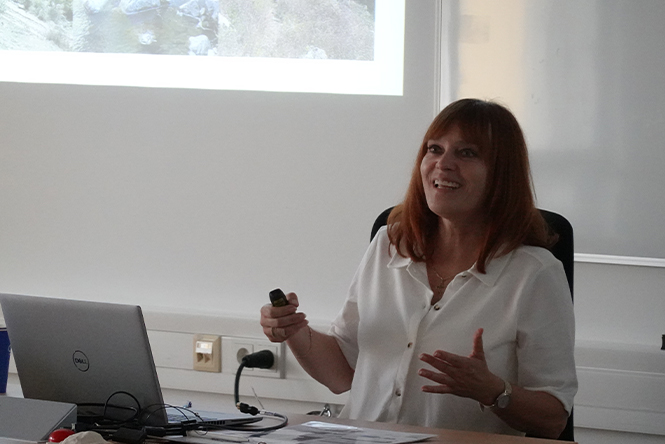
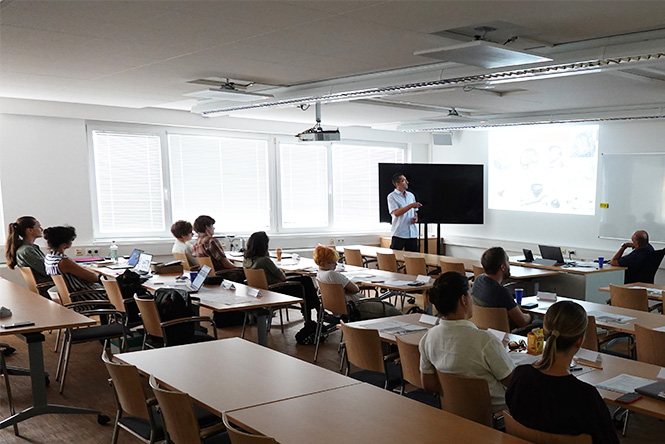
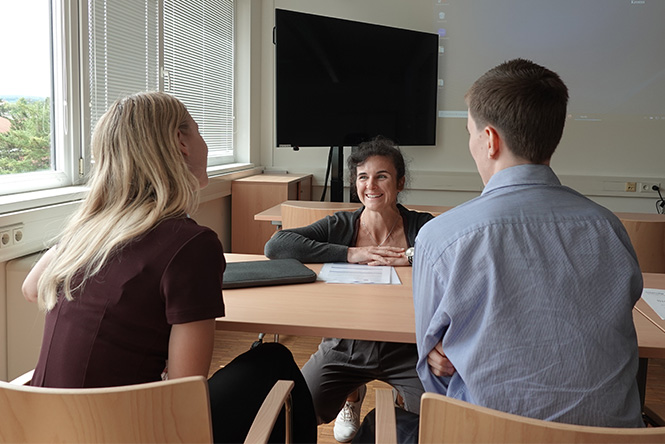
Over the course of five days, the programme combined expert lectures with practice-oriented group work in international teams. Specialists from universities, research institutions, museums, and tourism organizations provided participants with both theoretical insights and practical perspectives on current developments in archaeology, cultural tourism, heritage interpretation, and regional development.

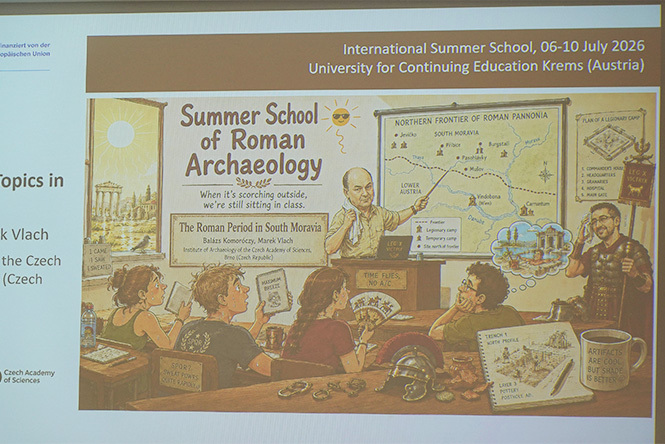
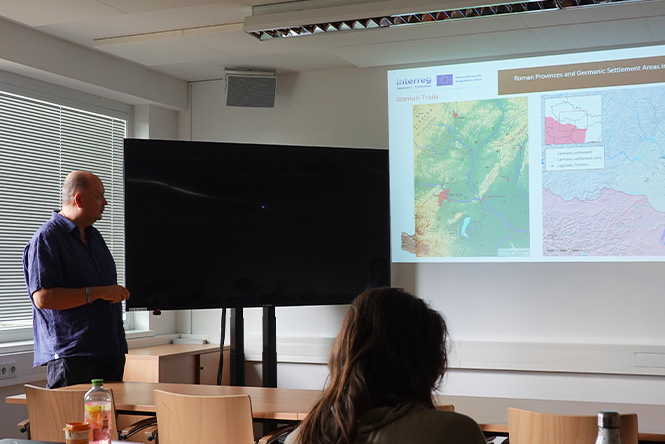
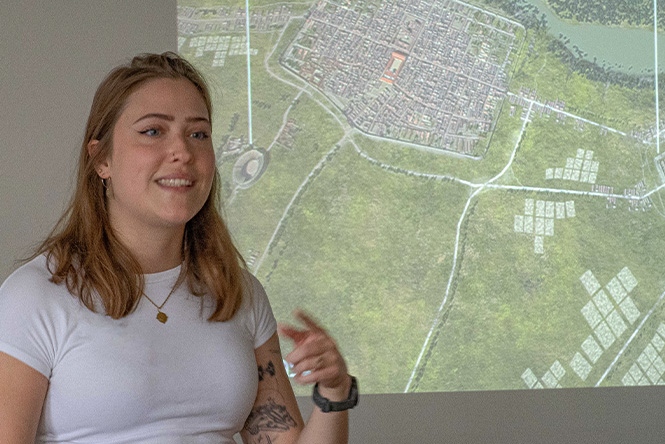
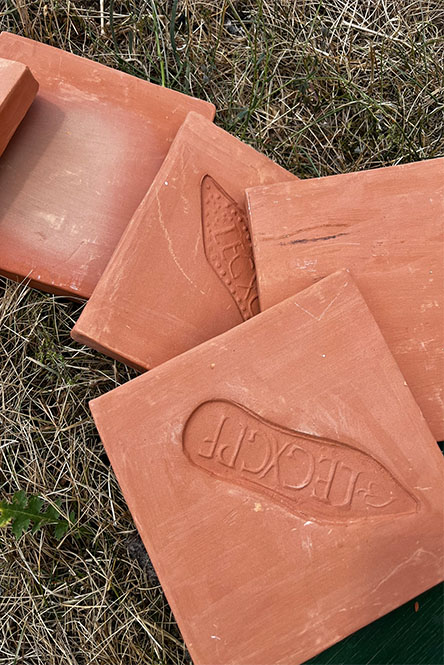
The archaeological lectures explored the Roman period in South Moravia and the Weinviertel region of Lower Austria, presenting recent research findings from Roman and Germanic archaeological sites across the project area. Participants gained insights into significant finds, ongoing research projects, and the historical interconnectedness of the Austrian-Czech border region.
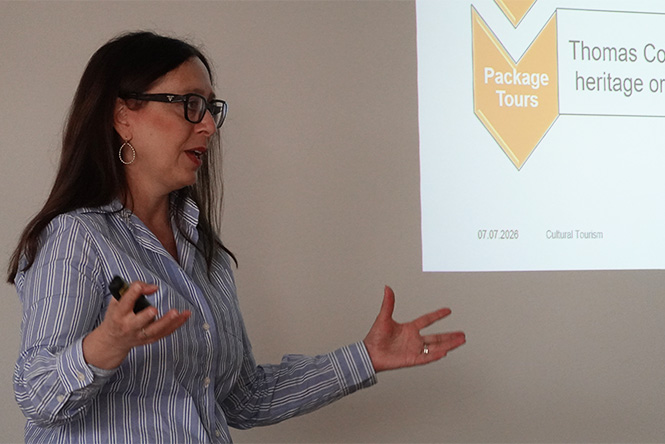
Another key focus was the region’s potential for heritage tourism. Presentations on heritage tourism and regional tourism strategies highlighted both the opportunities and challenges of sustainable cultural tourism development. These were complemented by two bachelor’s theses by students of IMC Krems, which examined the tourism potential of the project region. Their findings will contribute to the project’s forthcoming “Strategy for Sustainable and Green Tourism in the Border Region.”
In the field of heritage interpretation, the programme addressed topics such as storytelling, engaging children with Roman heritage, accessible approaches to heritage communication, and digital interpretation formats. Case studies on heritage trails in Armenia provided an international perspective, while examples from the Carnuntum Archaeological Park and the Stillfried Museum showcased successful approaches to interpreting and communicating archaeological heritage to diverse audiences.
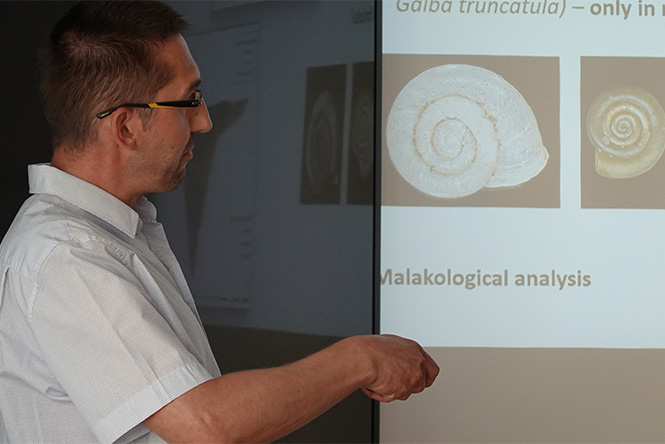
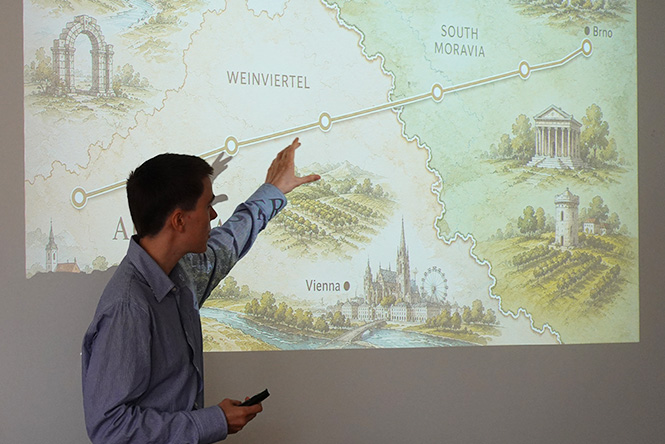
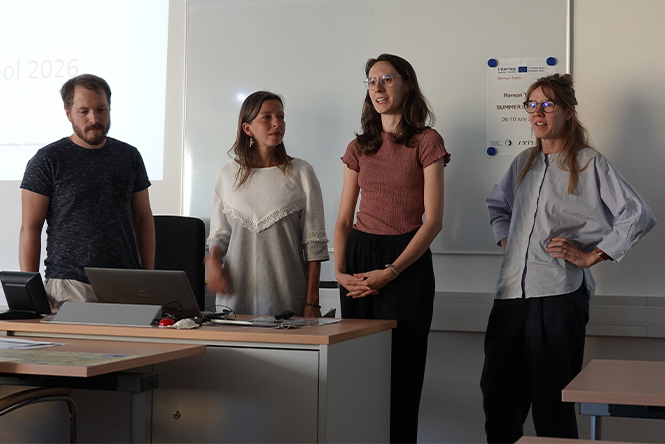
A central element of the programme was the interdisciplinary group work, during which participants developed concepts for future Roman Trails in the Austrian-Czech border region. Drawing on archaeological sites, historical contexts, and the region’s tourism potential, the teams created themed routes with their own narratives, linking the Roman past to regional characteristics such as viticulture, agriculture, trade, and local traditions. On the final day, participants presented their concepts, including route itineraries, target audiences, visitor engagement strategies, and thematic priorities. Their presentations highlighted the potential of combining archaeological research, tourism, and heritage interpretation to create innovative cross-border visitor experiences.
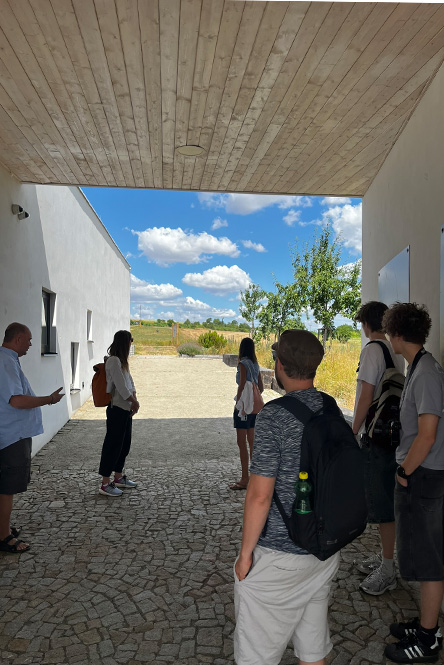
In addition, a field trip to the archaeological sites of Mušov (Czech Republic) and Stillfried (Weinviertel, Austria) provided participants with first-hand insights into selected archaeological sites and on-site interpretation approaches.
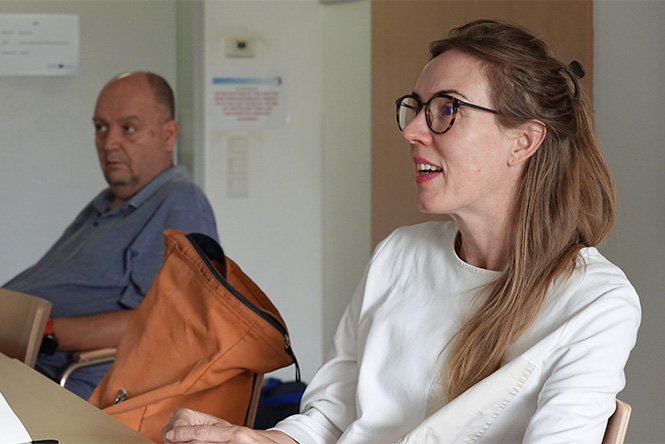
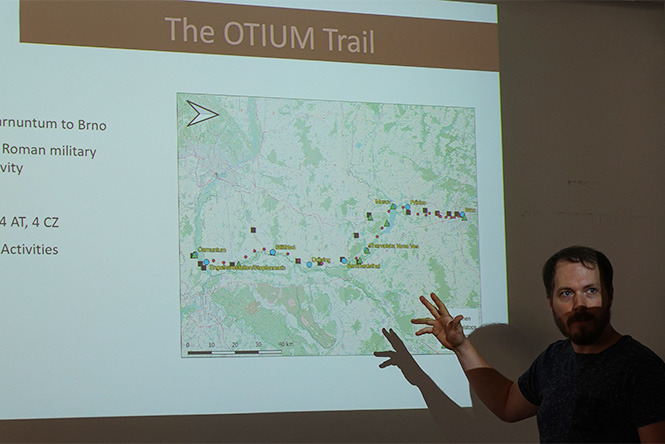
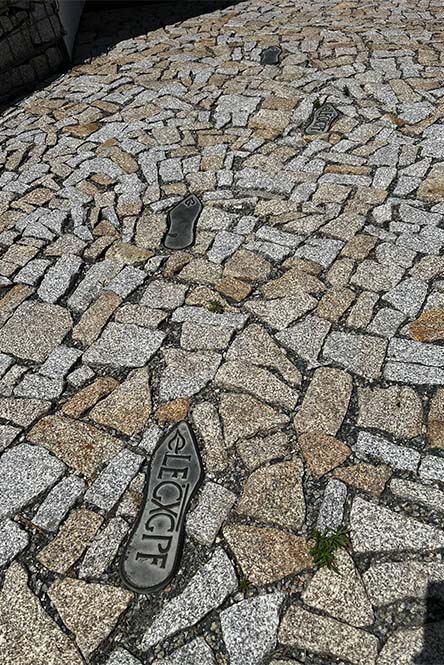
The Roman Trails Summer School brought together academic expertise, practice-oriented project work, and international exchange. By fostering cross-border collaboration and encouraging innovative approaches, it provided valuable impetus for the sustainable interpretation and tourism development of the shared Roman heritage of the Austrian-Czech border region.
Roman Trails
The project focuses on the creation of a common, cross-border thematic region of the areas of South Moravia and the northern part of Lower Austria (Weinviertel), based on the - little known - Roman history north of the Danube and the establishment of interactive (long-distance) hiking and cycling trails along the traces of the Roman history.
Discover Our Summer & Winter Schools

Our Summer & Winter Schools bring together research, practice, and innovation, offering unique insights into current challenges and solutions in the field of cultural heritage protection. Hands-on exercises, international perspectives, and expert knowledge create an inspiring learning experience.
Queries





Tags

