-

Graduation
Master of Science - MSc
-

ECTS-Points
60
-

Learning format
-

Duration
4 semesters
-

Start
Summer semester 2027, Krems
-

Costs
EUR 8.000,--
-

Language
English
-

Curriculum

The Master’s program in Regenerative Medicine provides physicians and scientists with advanced knowledge and skills in the evidence-based application and research of regenerative therapies for the musculoskeletal system. The program covers current approaches including platelet-rich plasma (PRP), stem cell and cell-based therapies, among other orthobiologics, diagnostic ultrasound, shockwave therapy, as well as emerging developments in tissue engineering and artificial intelligence.
Offered jointly with Humanitas University in Milan, the program connects academic research with clinical application and hands-on training at international locations.
Throughout the program, you will learn how to critically evaluate regenerative treatment approaches and assess their relevance in clinical and preclinical settings. You will deepen your knowledge of orthobiologics, cell therapy, biomaterials, and regenerative rehabilitation while developing practical skills in diagnostic ultrasound and interventional procedures. You will also explore translational research, artificial intelligence, and the ethical and regulatory frameworks governing regenerative medicine.
The program is aimed at physicians and scientists with a relevant academic background, such as biology, biochemistry, or molecular biology, and relevant professional experience. It is particularly suited to professionals seeking to specialize in musculoskeletal regenerative medicine and further develop their scientific and clinical expertise in this rapidly evolving field.

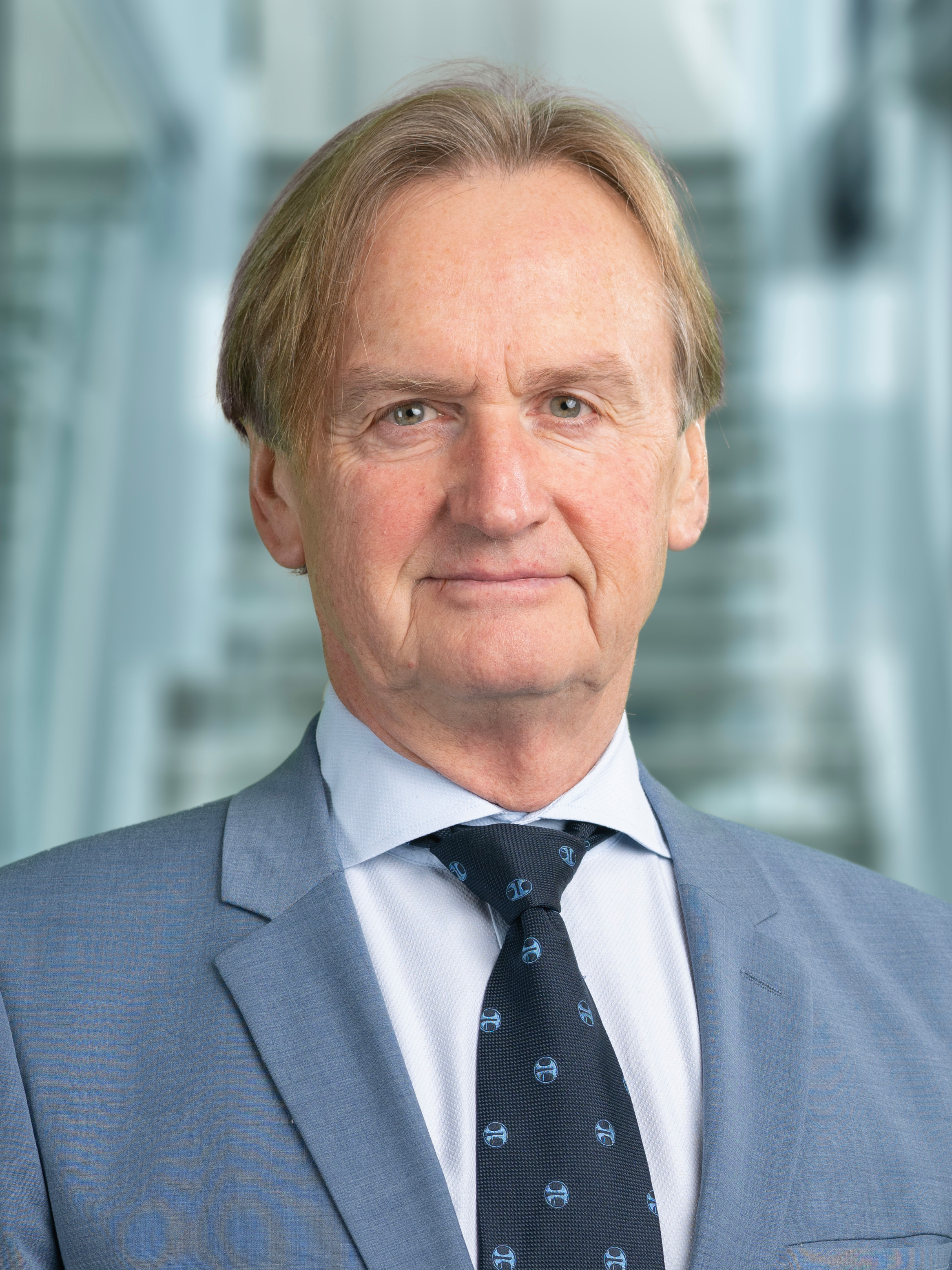
"Regeneration instead of repair is the future of medicine.”
Univ.-Prof. Dr. Stefan Nehrer
Study Program Director – Department for Health Sciences, Medicine and Research
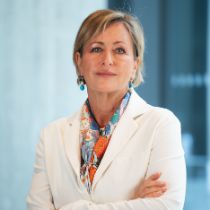
"Regenerative medicine in orthopedics could transform the outcomes, but only with expert, evidence-based practice!"
Prof. Elizaveta Kon
Humanitas University
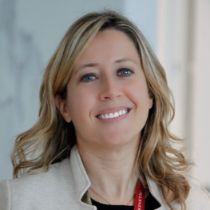
"Research is what moves orthopaedics forward, and this is especially true in regenerative medicine, where the field is evolving incredibly fast. For clinicians and researchers, staying curious, understanding the science behind new treatments, and learning how to critically interpret the evidence are becoming more and more important. Programs like the Regenerative Medicine study program offer a great opportunity to connect research with clinical practice and to train the next generation of professionals who will shape the future of regenerative orthopaedics. Proud to be part of it!"
Laura de Girolamo, PhD
IRCCS Ospedale Galeazzi Sant'Ambrogio
Insights into the program
For more information, watch the video
Watch now!Any questions?
We’re here to help.
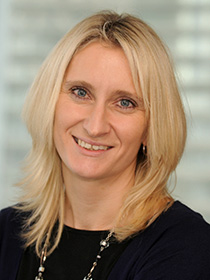
Sabine Siebenhandl
Administrative assistant

Or contact us directly.
Benefits from our study program
- You specialize in a dynamic and rapidly evolving field at the forefront of medicine.
- You deepen your expertise in PRP, orthobiologics, cell-based therapies, and regenerative rehabilitation.
- You learn to critically assess current clinical and preclinical research and evaluate its relevance for regenerative medicine.
- You develop practical skills in diagnostic ultrasound and interventional procedures.
- You engage with emerging approaches in tissue engineering, biomaterials research, and artificial intelligence.
- You benefit from hands-on training, laboratory-based learning, and an international learning environment.
- You work in an interdisciplinary setting alongside physicians and scientists from different fields.
- You combine clinical or scientific expertise with independent research in your Master’s thesis.
For working professionals
The program is designed to fit alongside professional commitments. Courses are delivered in compact blocks, making it easier to integrate the program into your working life while gaining specialized knowledge and practical experience.
Research-led
The program places a strong emphasis on translational and experimental research. You will work with cell culture methods and cell resources and explore biomaterials with regard to biocompatibility and cell–matrix interactions.
Future-oriented
Advances in artificial intelligence and tissue engineering are opening up new approaches to cartilage and bone regeneration. The program addresses these developments and examines the potential of regenerative medicine to transform the treatment of both acute and chronic musculoskeletal conditions.
-

for working professionals
-

research-led
-

future-oriented
Cooperation partner
.2025-09-02-11-59-45.jpg)
Curriculum
The course includes a total of 60 ECTS points and can be completed part-time within 4 semesters. It consists of 7 compulsory modules and the master's thesis with colloquium (18 ECTS).
Module
-
Contents
In the “Methods” module there is the possibility of individualization in the form of elective courses. You have to choose 2 courses out of 4.
- Techniques of scientific work (3 ECTS)
- Evidence based medicine, research design, literature review (3 ECTS)
- Qualitative and quantitative methods (3 ECTS)
- Statistics workshop (3 ECTS)
-
Contents
- Regenerative medicine in orthopaedics: basic research and technology (3 ECTS)
- Translational research: from in vitro studies to animal models (3 ECTS)
-
Contents
- Anatomy and biomechanics upper/lower limbs (3 ECTS)
- Anatomy and biomechanics of human limbs, cadaver lab (3 ECTS)
-
Contents
- Diagnostic ultrasound of the upper limbs: Diagnostics and intervention (3 ECTS)
- Diagnostic ultrasound of the lower limbs: Diagnostics and intervention (3 ECTS)
-
Contents
- Pathology (3 ECTS)
- Application of regenerative medicine - Upper, lower limbs (3 ECTS)
-
Contents
- Extracorporeal shock wave therapy indications (3 ECTS)
- Regenerative rehabilitation, cell therapy (3 ECTS)
-
Contents
- Artificial intelligence in regenerative medicine (3 ECTS)
- Ethical and legal aspects in technics of regenerative medicine including orthobiologics (3 ECTS)
Download
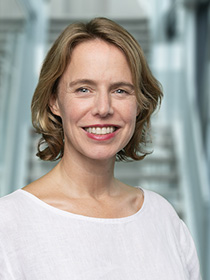
Study Program Director


Application
Admission requirements
-
a university degree from a regular Austrian or equivalent foreign degree in human medicine or in the life sciences including the subjects of biology, biochemistry, molecular biology at least at NQF level VII (e.g. master or diploma)
-
several years of relevant professional experience
Application process
- Contact us to clarify your expectations of the study program and to check the admission requirements
- Online application (Prepare the required documents for uploading in the online tool. You can find the relevant forms and templates in the "Downloads" section on the "Application" info page. Please also note the study code UM 999 144 for selection in the online tool.)
- Carrying out the selection procedure (e. g. interview with the director of studies)
- Admission to the degree program
We look forward to receiving your application and to welcoming you soon at the University for Continuing Education Krems.
Tags

