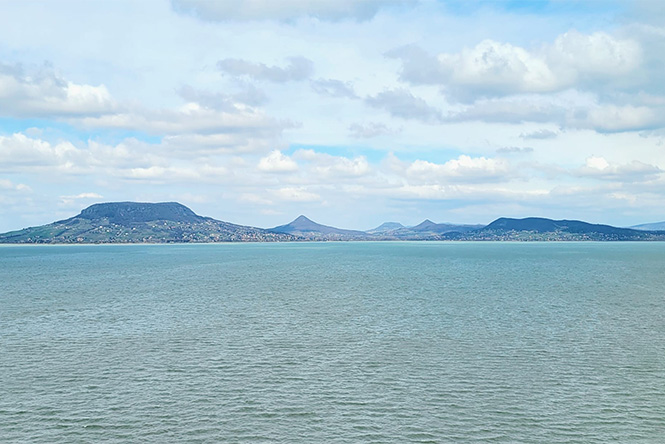
From 17 to 19 March 2026, the INACO partner consortium convened at Lake Balaton in Hungary to jointly develop innovative approaches for protecting cultural and natural heritage from the impacts of climate change. The transnational meeting combined site visits, structured training formats, and hands-on workshops, marking an important milestone on the path toward strengthening the resilience of heritage sites in Central Europe.
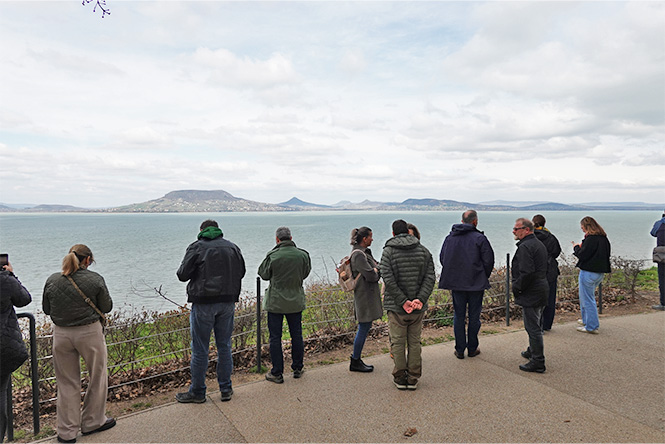
The meeting opened with a field visit to the INACO pilot site in Fonyód, where participants were able to analyse climate-related risks directly on the ground. Particularly striking was the high bluff landscape, shaped by erosion, landslides, and increasingly extreme weather events, and still undergoing dynamic change today. The geological conditions continue to make the area vulnerable to sudden collapses and ground movement – especially following heavy rainfall or unusual climatic events.
It became clear that not only natural heritage is affected: historic villas located along the bluff are likewise exposed to risk due to their prominent position. This close spatial interdependence of natural landscapes and built structures highlights the particular vulnerability of the entire cultural landscape.
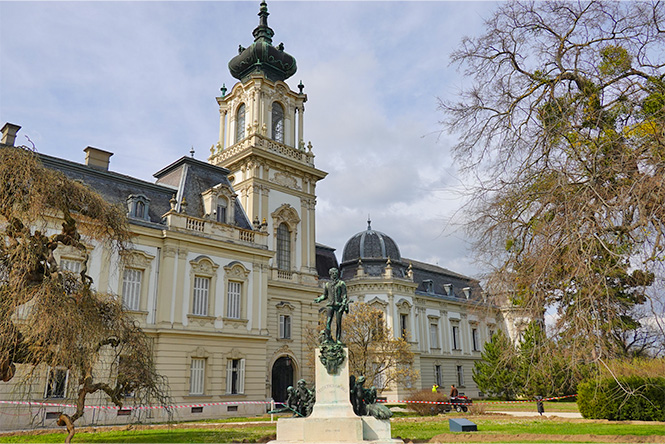
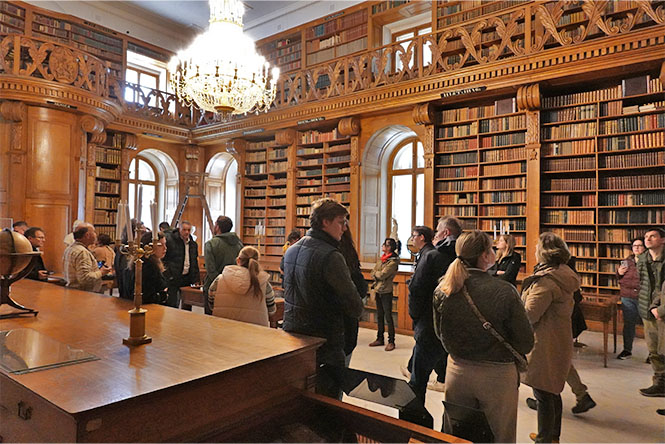
The on-site observations vividly demonstrated the extent to which natural processes and climatic changes influence the risk exposure of cultural and natural heritage sites, and underscored the importance of forward-looking, integrated risk assessment. The programme was complemented by visits to key cultural sites such as Festetics Palace in Keszthely, further deepening the connection between natural landscapes and cultural heritage and placing it within a broader regional context.
Innovative Tools put to the Test in Practice
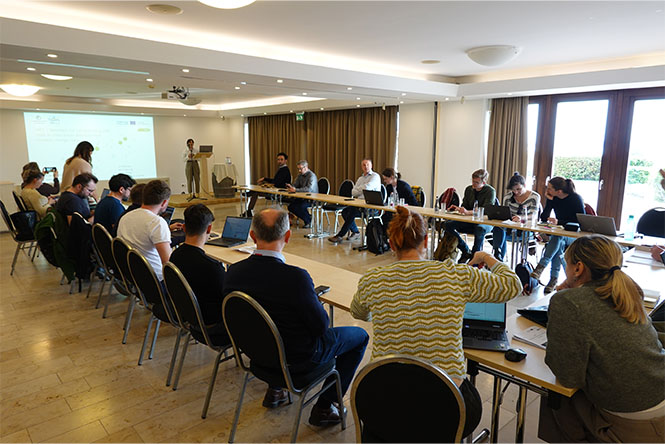
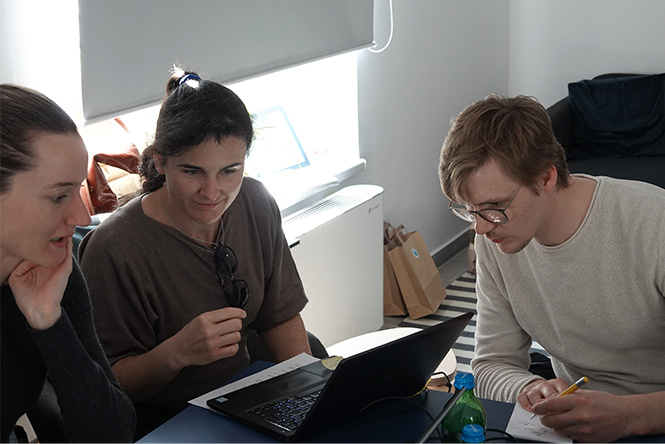
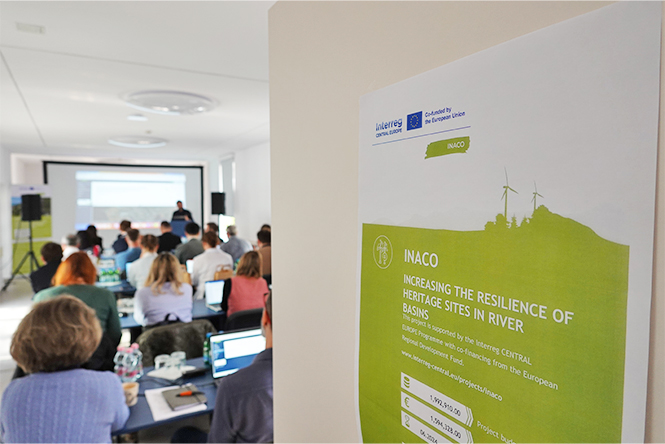
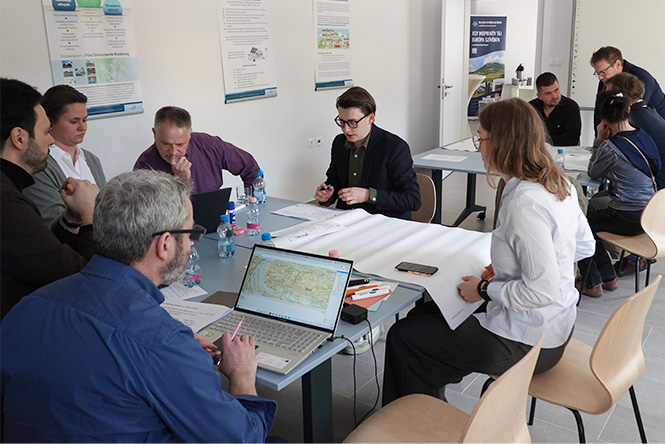
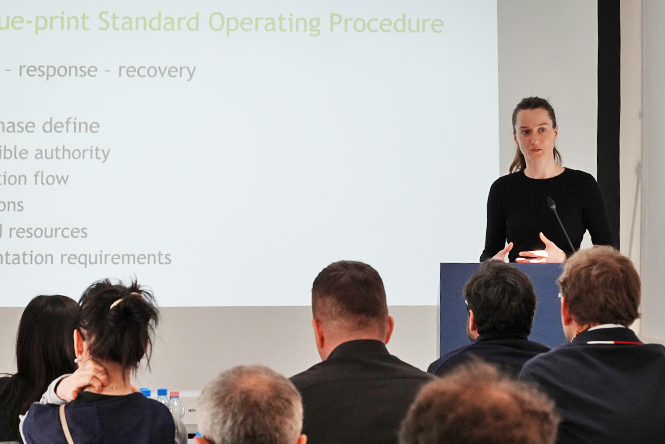
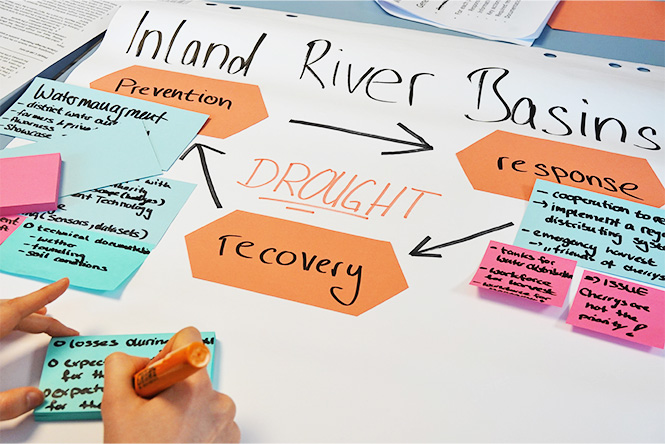
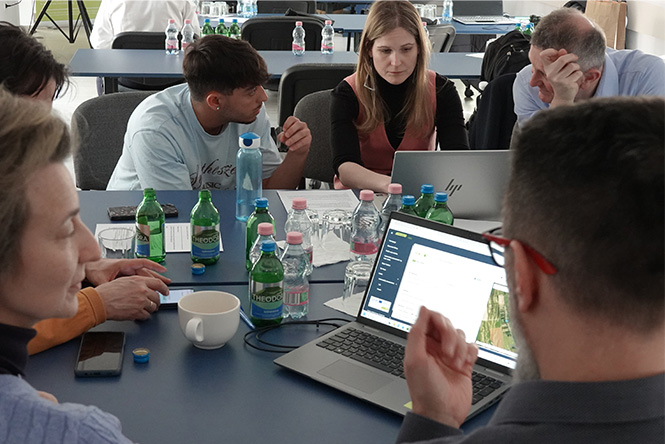
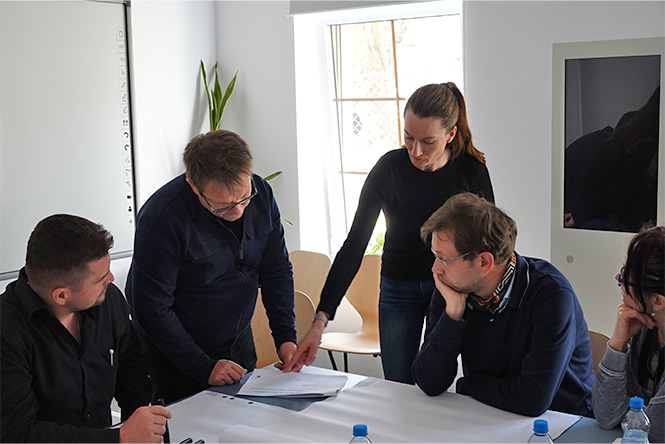
A central focus of the meeting was the practical application and validation of the digital tools developed within the project, including the Risk Mapping Tool and the CNH‑Care platform. Through a series of structured training and exercise sessions, project partners worked in groups on realistic case studies, applying innovative methods to assess hazards, vulnerability, and risk.
The tools tested during the meeting are already at an advanced stage of development. The Risk Mapping Tool has been finalized and, together with the CNH‑Care applications, is currently undergoing a multi-phase testing process that involves both internal project partners and external experts.
This hands-on testing allowed the tools to be evaluated under real-world conditions and further refined in a targeted manner. Particularly valuable was the active involvement of external stakeholders, who contributed their experience and requirements. This feedback ensures that the solutions developed are aligned with the needs of authorities, municipalities, and cultural heritage institutions.
Exchange, Collaboration, and New Perspectives
The meeting at Lake Balaton provided not only a platform for professional advancement but also an opportunity for intensive exchange and networking among the project partners. Experts from research, public administration, and the cultural heritage sector worked closely together, developing shared perspectives for addressing climate-related risks.
The combination of field observations, innovative training formats, and collaborative development proved particularly effective in analysing complex challenges and translating them into concrete solutions.
Transition to the Final Project Phase
Following the successful meeting at Lake Balaton, the INACO project is now entering its final implementation phase. Building on the initial internal testing stage, a further transnational testing phase will involve competent authorities and local stakeholders across all partner countries. The results achieved so far thus form the basis for the final validation and refinement of the developed tools and risk management approaches.
The ultimate aim is to ensure the sustainable integration of these results into practice and to strengthen the long-term resilience of cultural and natural heritage sites.
A Key Step for the Future of Heritage Protection
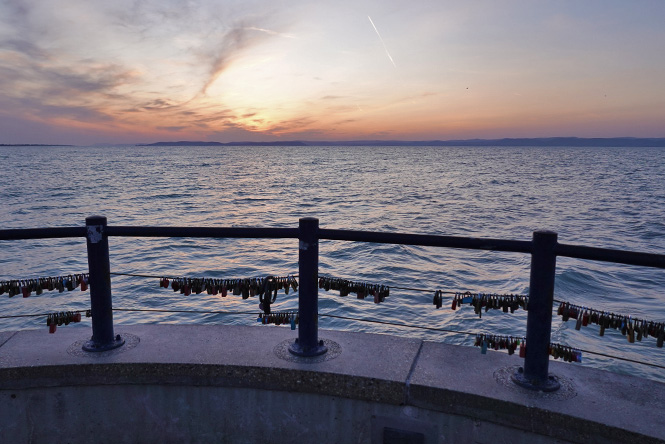
The INACO partner meeting clearly demonstrated the vital role of international cooperation, practice-oriented learning, and innovative approaches in addressing the challenges posed by climate change. The inspiring setting of Lake Balaton provided an ideal backdrop for developing new ideas, exchanging knowledge, and working toward concrete solutions.

INACO
The project develops transnational strategies, integrated web-based solutions and risk management plans to improve the resilience of Central European regions to the impacts of climate change on cultural and natural heritage in river basins.





Tags

