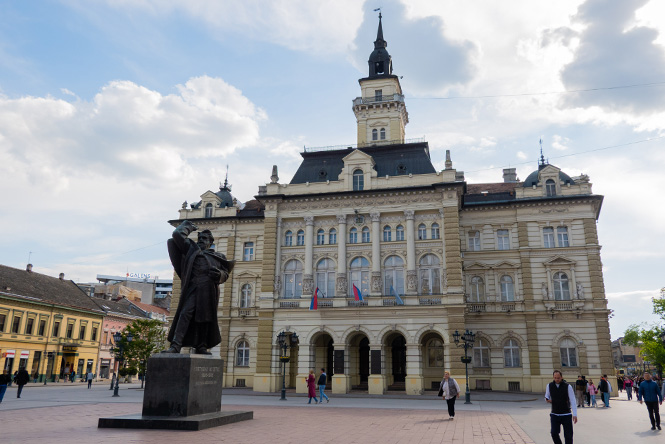
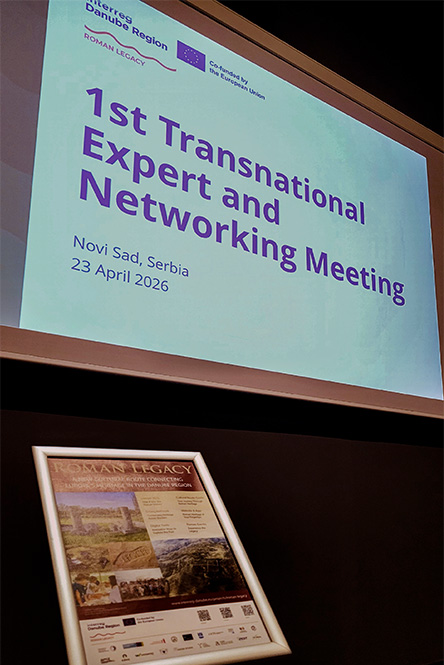
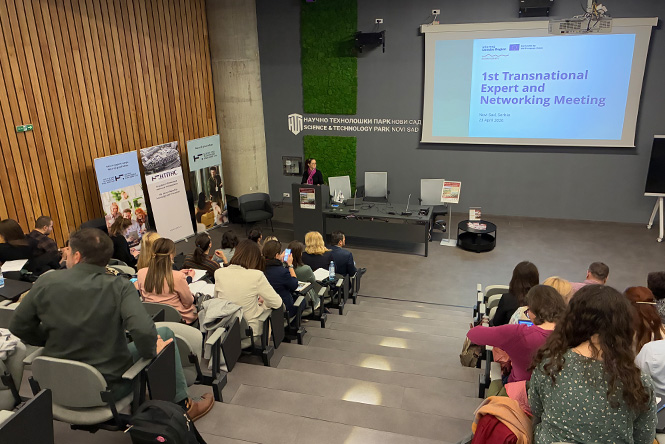
On 23 and 24 April 2026, project partners, strategic partner organisations, and external experts from ten Danube countries gathered in Novi Sad, Serbia. The first transnational ROMAN LEGACY Expert and Networking Meeting aimed to advance the joint development of a European Cultural Route that highlights the Roman heritage along the Danube and enables people to experience the shared history of the Danube region across national borders.
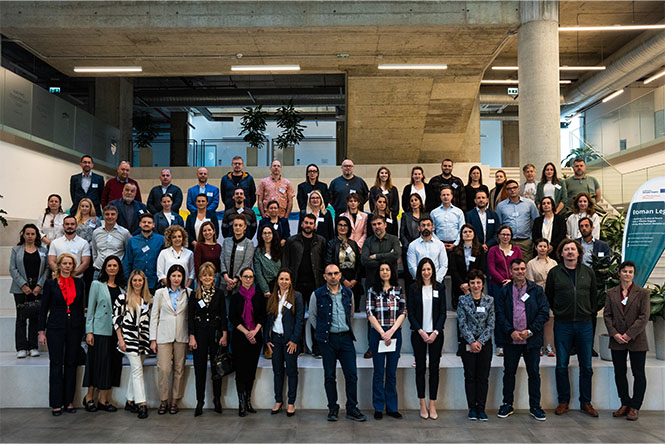
Around 70 participants from Germany, Austria, the Czech Republic, Hungary, Slovenia, Croatia, Serbia, Montenegro, Bulgaria, and Romania contributed their expertise in archaeology, history, cultural heritage management, tourism, digitalisation, and public administration. This diversity of perspectives reflected the project's transnational and interdisciplinary approach, bringing together knowledge and experience from a wide range of fields and institutional backgrounds.
A Shared Vision for the Danube Limes
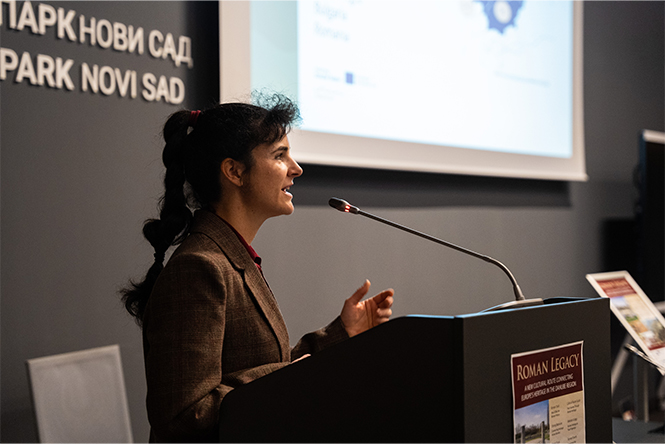
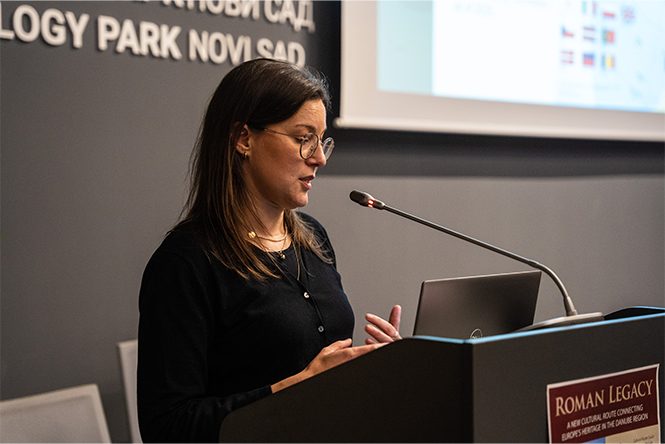
The meeting was opened by the Serbian host organisations, the Provincial Secretariat for Regional Development, Interregional Cooperation and Local Self-Government and the Faculty of Technical Sciences, University of Novi Sad. Both organisations highlighted the importance of cross-border cooperation in safeguarding and promoting the shared cultural heritage of the Danube region.
The Center for Cultural Property Protection at the University for Continuing Education Krems, acting as Lead Partner, then presented the objectives and upcoming activities of the ROMAN LEGACY project. At the heart of the initiative is the development of a European Cultural Route that brings the Roman Danube Limes to life as a shared European heritage and connects the many sites, stories, and stakeholders along the Danube.
Particular emphasis was placed on the importance of building a strong and sustainable network. A successful cultural route is not created by heritage sites alone; it depends on the collaboration of the institutions, experts, and regions that jointly shape, promote, and further develop it over the long term.
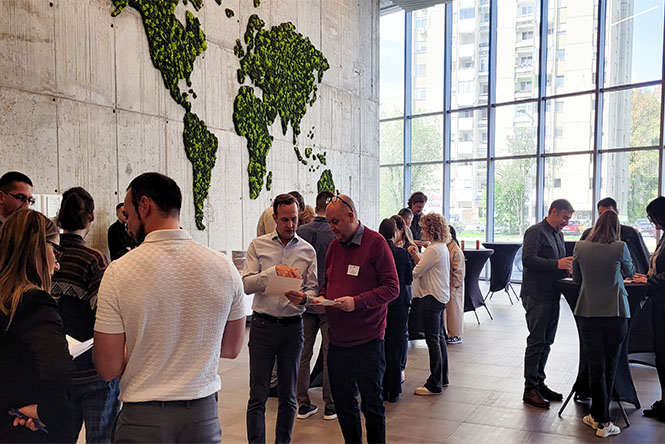
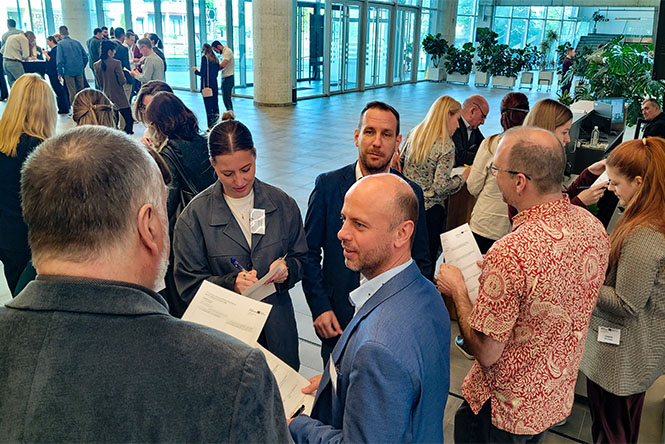
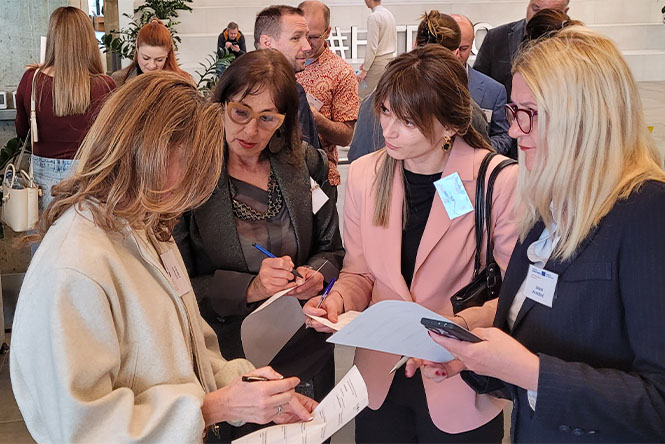
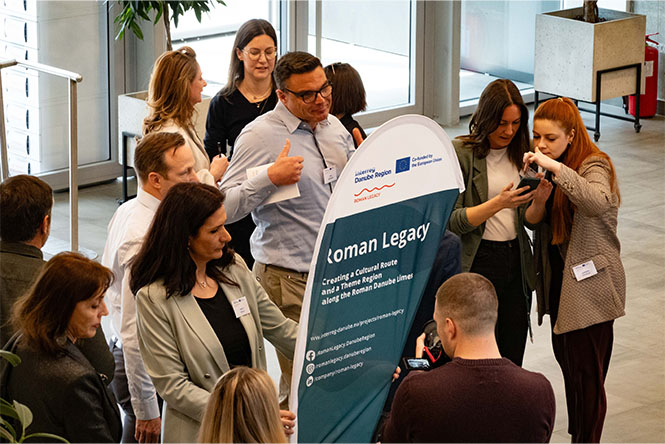
To encourage networking from the outset, participants took part in the interactive icebreaker activity “Human Bingo”, which provided an opportunity to establish new contacts and exchange ideas across national and professional boundaries. The exercise served as an important first step in strengthening cooperation within the project network and laying the foundations for future collaboration.
Learning from Existing Cultural Routes
What makes a European Cultural Route successful?
This question was at the centre of several expert presentations dedicated to the Cultural Routes of the Council of Europe. Representatives of the Archaeological Museum Zagreb provided valuable insights into the certification process as well as the practical operation of established Cultural Routes. They outlined the key requirements and quality standards that must be met to achieve successful certification and long-term sustainability. The presentations demonstrated how closely cultural heritage is linked to European values, international cooperation, and sustainable tourism. They highlighted the role of Cultural Routes as platforms for intercultural dialogue and as instruments for promoting a shared European identity through heritage.
The Universalmuseum Joanneum subsequently presented the Iron Age Danube Route as a best-practice example. The experiences of this network illustrated the importance of a clear thematic focus, committed partner organisations, and a long-term collaborative approach for building and maintaining a successful transnational Cultural Route.
Digital Access to Cultural Heritage
Another key focus of the meeting was the digital interpretation and presentation of cultural heritage. The Bavarian State Office for Monument Protection introduced the further development of the LIMES mobil App, which is planned to be expanded to additional regions along the Danube in the future.
The application is designed to help visitors explore historic sites through digital technologies and experience the history of the Danube Limes in new and engaging ways. At the same time, it offers participating regions an opportunity to contribute their own content and place their heritage sites within a shared transnational framework.
Developing a Shared Narrative for the Danube Region
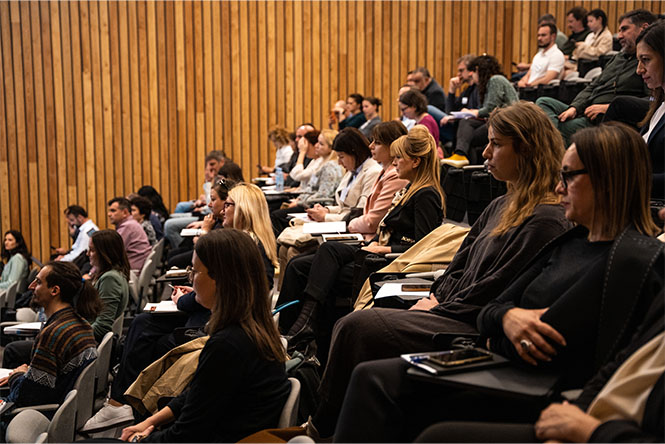
The central element of the meeting was the collaborative work on the future Cultural Route itself. Through workshops and working groups, participants explored which themes and messages should shape the route and which aspects of the Roman heritage continue to connect the Danube region today.
Discussions extended beyond archaeological monuments and historical events to address broader topics such as mobility, cultural exchange, identity, and European cooperation. A particular focus was placed on identifying a common overarching theme capable of bringing together the diverse perspectives of the participating countries while also meeting the requirements of the Council of Europe’s Cultural Routes programme.
A shared vision emerged from these discussions: the Roman Danube Limes was viewed not merely as a historical frontier system but as a space of encounter, connectivity, and exchange. This perspective creates opportunities to link historical developments with contemporary European issues and to communicate the shared heritage of the Danube region through a genuinely cross-border lens.
Furthermore, the outcomes of the working groups underscored the potential of the Cultural Route to connect cultural identity, sustainable tourism, and regional development, thereby generating long-term benefits for communities across the Danube region.
Following the Footsteps of Ancient Sirmium
On the second day of the event, participants took part in a joint excursion to Sremska Mitrovica, the site of ancient Sirmium. Once one of the most important cities of the Late Roman Empire, Sirmium is today considered one of the most significant archaeological sites in the Danube region.
Guided tours of the remains of the Imperial Palace and the Lapidarium provided participants with valuable insights into the history of the site and its importance within the Roman Danube Limes. The excursion created a direct link between the discussions of the previous day and the historic locations that may become part of the future European Cultural Route.
At the same time, the shared programme offered further opportunities for networking, informal exchange, and deeper discussions among participants from across the Danube region.
An Important Milestone for ROMAN LEGACY
The first transnational ROMAN LEGACY Expert and Networking Meeting in Novi Sad marked an important milestone for the project. Bringing together expertise, experience, and perspectives from across the Danube region, the event strengthened the network that will form the foundation of the future Cultural Route.
The ideas developed, partnerships established, and groundwork laid in Novi Sad represent a significant step towards the creation of a European Cultural Route along the Danube Limes. The outcomes of the discussions will now feed into the next phases of the project, helping to make the Roman heritage of the Danube region more visible, accessible, and meaningful as a shared European cultural legacy. At the same time, they will contribute to ensuring that this heritage can be preserved, experienced, and sustainably utilised for future generations.
ROMAN LEGACY
The aim of the project is to establish a cultural route as part of a larger thematic region along the Danube Limes, which connects several European countries as a shared European heritage, and to submit this route for certification as a Cultural Route of the Council of Europe.
Queries





Tags

